
Apple Oat Pancakes
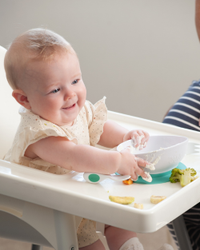
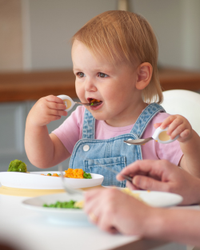
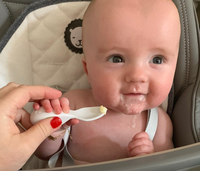
Apple Oat Pancakes are a great choice for babies just starting their baby led weaning journey. These pancakes are packed with nutrients that are essential for...
Free delivery over $35
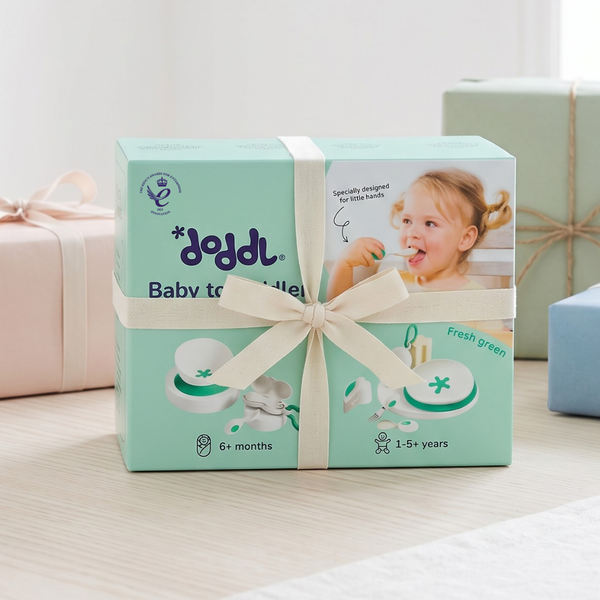
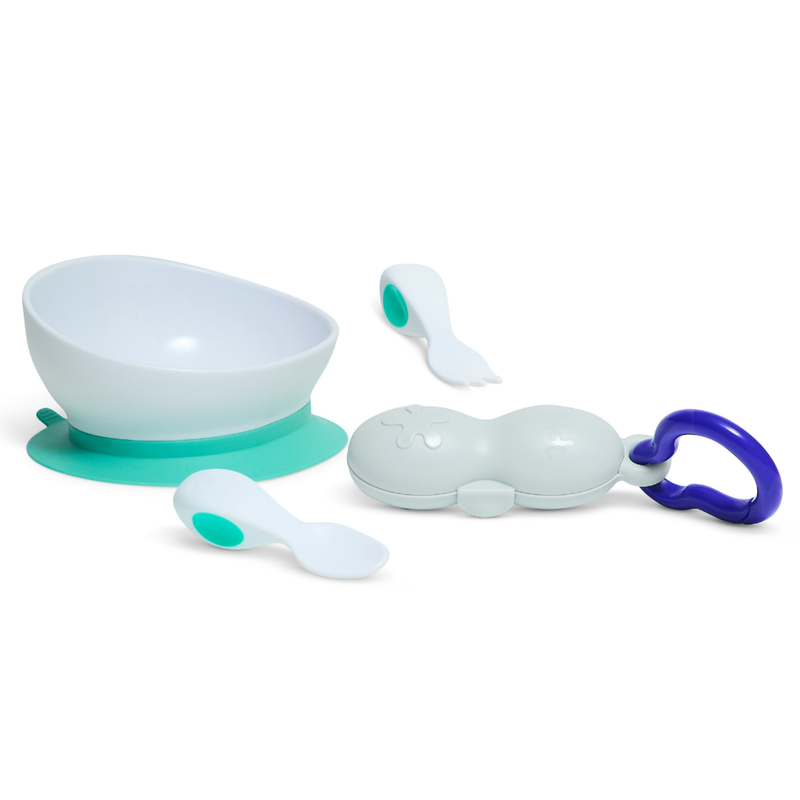
The full doddl journey in one box
6 months to 5 years. First spoon to school.
All nine of our award-winning mealtime tools, designed to support your child's development and make mealtimes easier from 6 months - 5+ years.
See what’s inside

The research
Your baby's grip is developing every single day, mealtimes offer a huge opportunity to support and enhance their grip.

The basic palmar grasp - your baby will open their hand, clamp their fingers and create a fist around an object - relying on their palm. Long thin handles can force the continued use of this grip with no encouragement for progression.

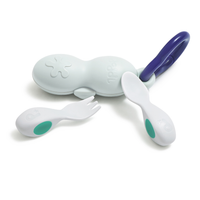
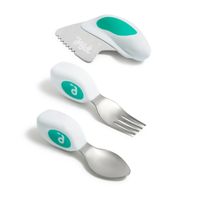
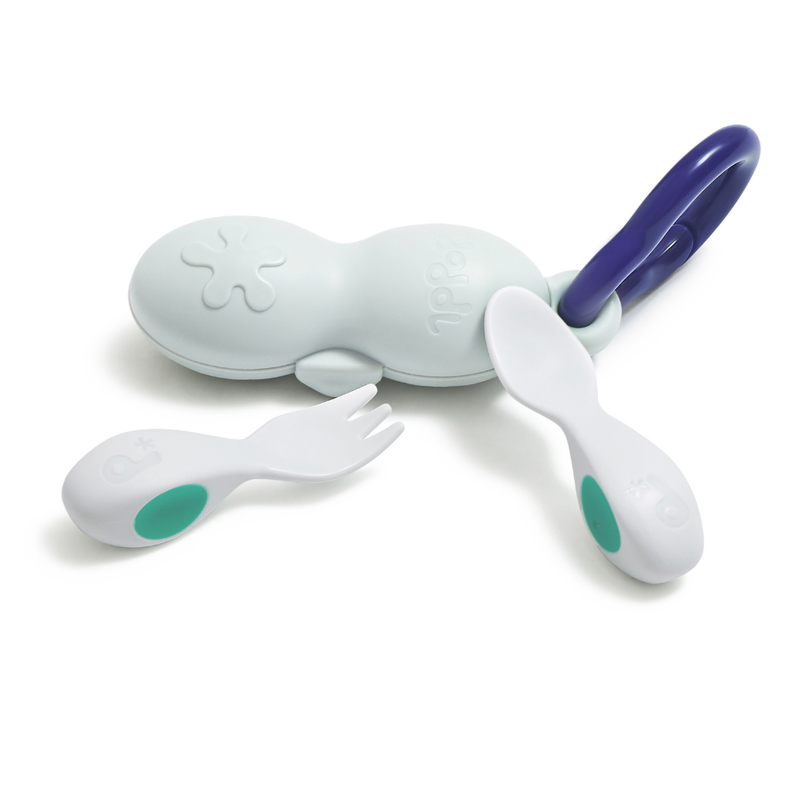
The handles of doddl baby cutlery are designed to support your baby's grip development. Gently transitioning them from the basic palmar grasp to the more developed radial palmar grasp.

Clever contouring of the handles intuitively encourages your baby to open their fingers and start exploring the next stage of their grip, reducing the reliance on their palm. This is working towards the more advanced pincer grip.
Starting solid foods is an exciting milestone, and it's natural to wonder when the time is right. For most babies it's at around six months. By then their digestive system has matured and they're developmentally ready to start exploring food. Every baby is different, though, so rather than going by the calendar alone, look for these three signs appearing together:
Some behaviours are often mistaken for readiness, such as chewing their fists, waking more at night or wanting extra milk feeds. These are normal parts of development and don't usually mean your baby needs solid food. When you see all three signs together, your baby is ready to start. Early on, milk still provides most of their nutrition, so the first few weeks are about new tastes, textures and experiences, not how much they eat. If your baby was born prematurely or you have any concerns, your health visitor can advise on the right time for your baby.
Both, are equally important when starting out. A loaded spoon for your baby to reach lets your baby practise the grip and get used to cutlery at mealtimes, while fingers do the exploring and tasting.
Dropping and throwing things is a normal and important part of your baby's development. They're discovering cause and effect, practising letting go of objects, and watching where things land. They may also be showing you they've had enough. It's rarely naughtiness at this age, so try to stay calm and keep your reaction low-key, because a big response can quickly turn it into a game. Offer small amounts of food at a time and add more when they're ready, and watch for signs they're full, such as turning their head away or pushing food off the tray. Eating together helps your baby learn by watching you, and suction bowls and plates can help keep food where it belongs. Expect cutlery to be dropped often while your baby learns to grip and control it. Simply hand it back, and praise them when they bring food to their mouth.
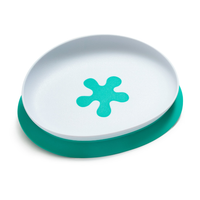
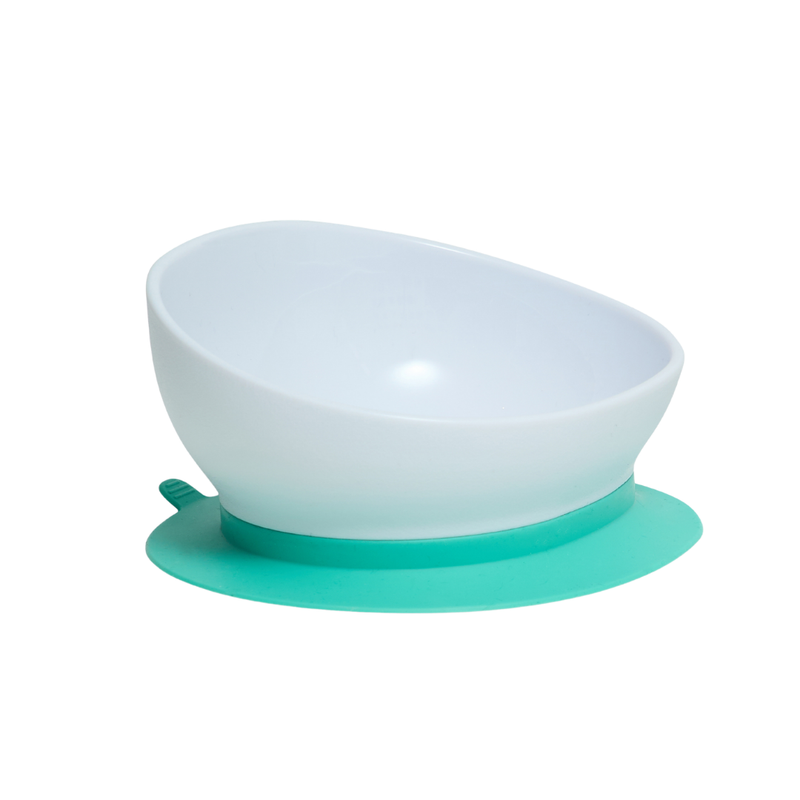
Yes, a suction bowl is incredibly helpful. Your baby doesn't understand the purpose of a bowl at this age or that it needs to stay on the table. Banging the bowl, pushing and pulling at it is all part of exploring. Your baby's whole meal being thrown on the floor helps no-one! Suction keeps the bowl in position and helps your baby focus as well as reducing mess.
Mealtimes with little ones always have the potential for mess! Exploring texture with hands is how a baby learns what food is before they bring it to their mouth. Embracing the potential for mess from the start will help your sanity! Be assured as your baby's skill and coordination improves, the mess will slowly reduce.
Tips, guides and recipes for this stage.
Apple Oat Pancakes are a great choice for babies just starting their baby led weaning journey. These pancakes are packed with nutrients that are essential for...
Weaning is a major parenting milestone, but it doesn’t have to feel overwhelming. If you're wondering how to start weaning your baby, this guide will walk...
This carrot cake inspired recipe is perfect for getting an extra portion of veggies into even the fussiest of eaters!
This creamy pea and mint pasta is a delicious and nutritious recipe designed for babies and fussy toddlers
Your cookie choice
We use cookies to keep doddl working, to see which pages help parents find the right cutlery, and to show you relevant offers on other sites. Choose below — you can change your mind any time. Privacy policy


