
Cheese and Broccoli Muffins
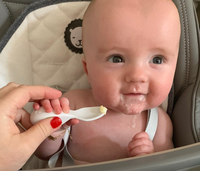
These cheese and broccoli muffins are the perfect snack for babies and toddlers.
Free delivery over $35
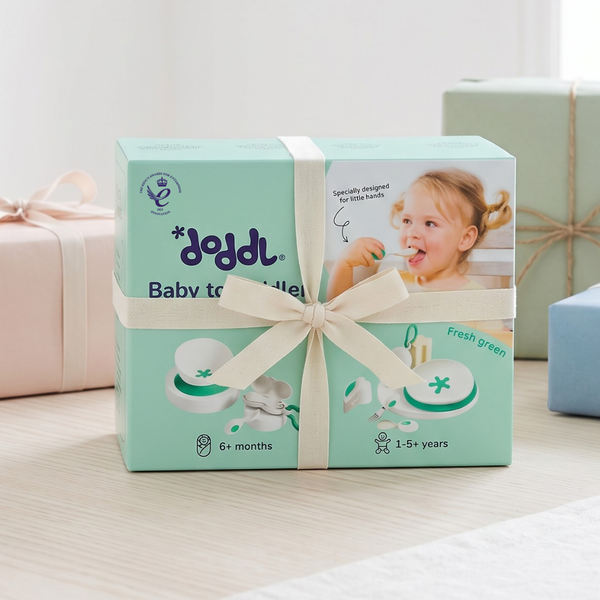
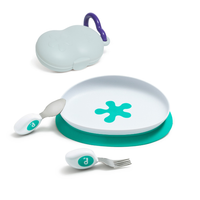
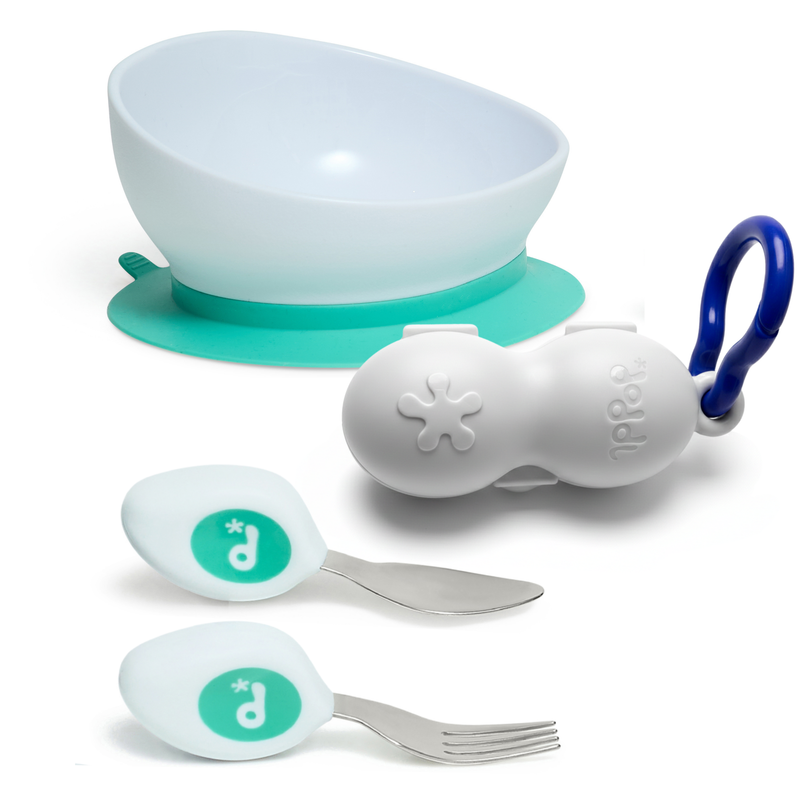
The full doddl journey in one box
6 months to 5 years. First spoon to school.
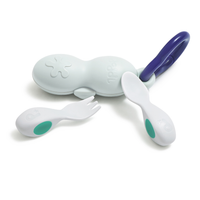
All nine of our award-winning mealtime tools, designed to support your child's development and make mealtimes easier from 6 months - 5+ years.
See what’s inside

The research
Standard children's cutlery is simply a smaller version of adult cutlery. It wasn't actually designed for a child.

Traditional long handled cutlery can continue to force a 'fist' or more basic palmar grasp, making the next stages of development harder to achieve. Long handles are awkward to grip, making them difficult to control, creating mess and frustration.

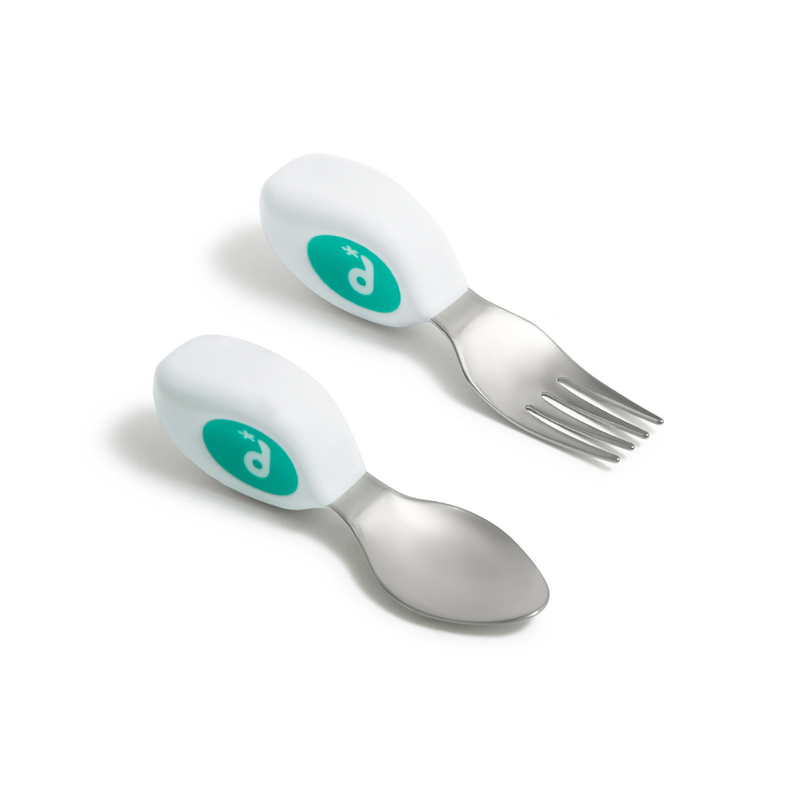
doddl's expertly contoured handles make the cutlery much easier to grip. The compact design makes them simple to control and reduces the distance from the food to the mouth, helping hand-eye coordination and maximising success.

The cleverly contoured handles and expertly placed soft touch areas encourage your child to open up their fingers and "pinch the cutlery", helping develop their tripod grasp - the important grip needed to hold a pencil.
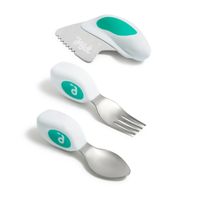
By around 12 months, many children have better grip and coordination and are ready for cutlery that works more like yours. Metal ends are thinner and firmer than plastic or silicone, so a fork spears food more easily and a spoon scoops more cleanly. A child-safe knife can also start cutting soft foods. When their cutlery works, your child can get food to their mouth on their own and gets less frustrated, which builds confidence at mealtimes. Metal also has a very different feel, weight, temperature and taste in the mouth compared with plastic. Introducing it early lets your child get used to these sensations while they're still happy to explore. Children who stay on plastic cutlery for longer can find the change harder and may resist or refuse metal when the time comes. Metal ends also can't be chewed or worn down into rough edges, and because they look and feel like the family's cutlery, they help your child copy what they see you do and prepare for adult cutlery as they grow. Choose child-sized cutlery with rounded, child-safe metal ends and short handles, and always supervise your child while they eat.
Around 12 months when your child has started to develop some coordination and is eating larger meals. When first introducing metal ended cutlery, start with the spoon and show your child how to scoop. Once your child demonstrates a level of control - moving food successfully to the mouth with the spoon - introduce the fork. Again, show them how to spear food. Once they have experience of using both utensils successfully, encourage them to use one in each hand. This helps develop bilateral coordination, developing both sides of their body and brain.
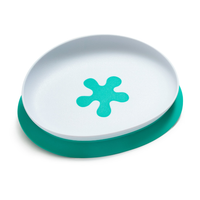
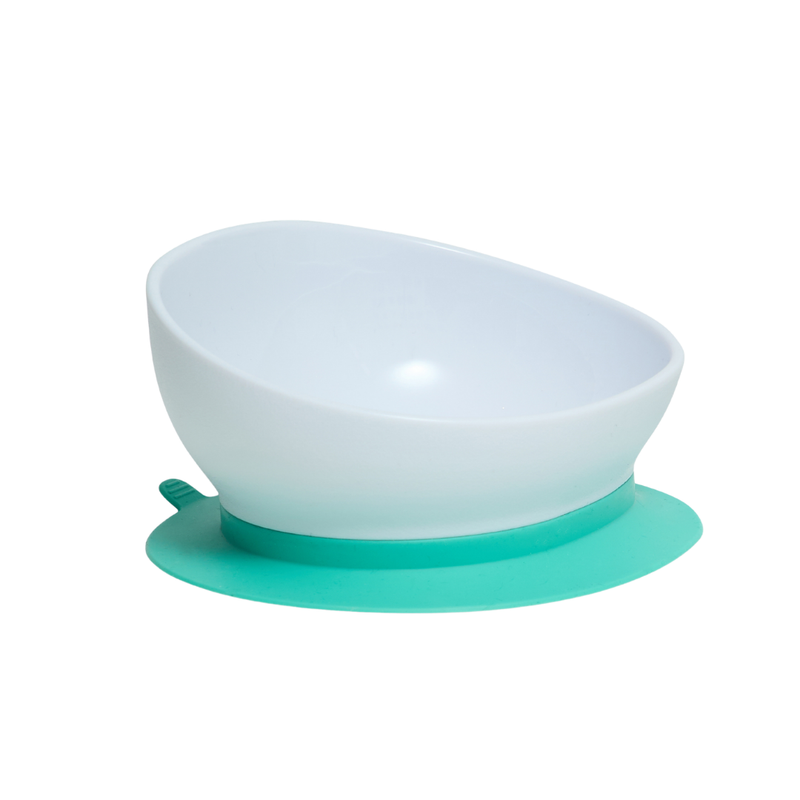
This is a common problem during this stage and is rarely about the food. A bowl with a strong suction base removes the opportunity for your baby or toddler to throw the bowl, breaking the habit. Eating with your child as much as possible may also help, so they can learn by mirroring your behaviour (how you use a bowl). You can then progress to a non-slip bowl when they are ready. Often a bit of back and forth (suction one day, non-slip the next and back again) is common as your child learns.
Eating independently with cutlery is a big step for young children, it is best to start with soft foods such as banana's and mashed potato while they are building strength. As their confidence develops, you can gradually introduce foods with different textures and challenges, giving your child the opportunity to practise new movements. This helps to keep your child motivated and interested in eating their food whilst allowing them to build their skills at their own pace. Remember that all children learn new skills at different paces, so don’t be discouraged if it takes longer than you anticipated.
Some toddlers find certain textures harder than others, especially mixed ones like soup with pieces or yoghurt with fruit. Try not to go back to smooth foods, because regular practice is how children develop the chewing skills and confidence they need. Offer small amounts of the tricky texture alongside foods they're comfortable with. Let them explore it with their hands and cutlery. Getting them involved in preparing food can also make new textures feel more familiar. If your toddler regularly gags, chokes or seems distressed by textures, speak to your health visitor or GP.
Tips, guides and recipes for this stage.
These cheese and broccoli muffins are the perfect snack for babies and toddlers.
Thinking is my toddler ready to self feed? This guide walks parents through signs of readiness, key self-feeding milestones, and how to gently encourage independence with...
A nourishing, family-friendly meal ideal for babies beginning their weaning journey and toddlers exploring new tastes. This hearty dish features minced beef, peppers, and orzo pasta,...
If you're on the hunt for an easy, savoury snack that ticks all the boxes – tasty, veggie-packed, and perfect for little hands – look no...
Your cookie choice
We use cookies to keep doddl working, to see which pages help parents find the right cutlery, and to show you relevant offers on other sites. Choose below — you can change your mind any time. Privacy policy


