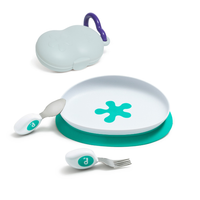
Step back a little
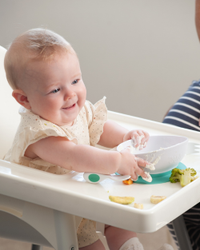
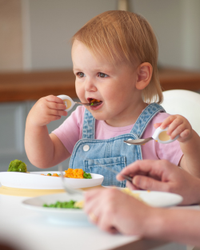
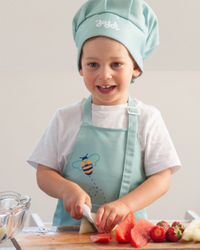
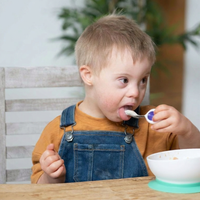
With the right tools in place, the less adults needed to step in, so the more independent children became. Let them try, even if it takes a little longer.
Free delivery over $35
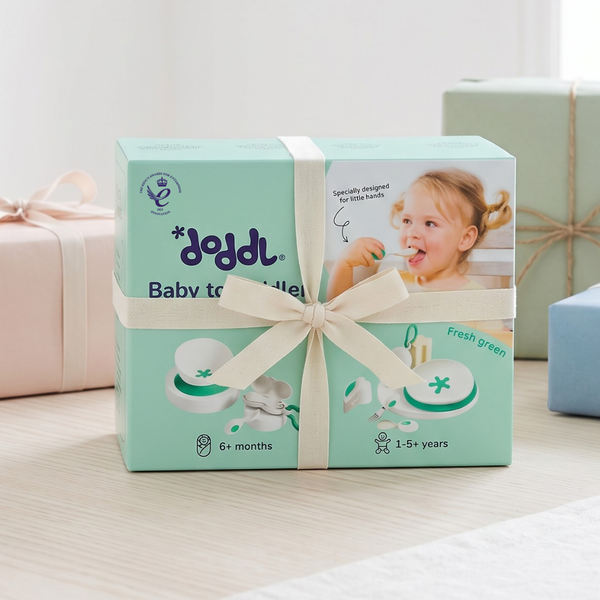
The full doddl journey in one box
6 months to 5 years. First spoon to school.
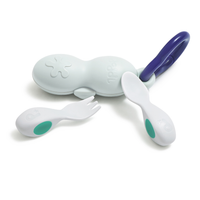
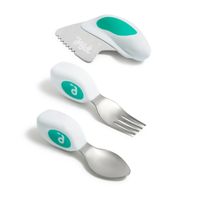
All nine of our award-winning mealtime tools, designed to support your child's development and make mealtimes easier from 6 months - 5+ years.
See what’s insidedoddl is backed by 10 years of research and testing. This study is the next step in our commitment to quality, and to making a positive difference at every mealtime.
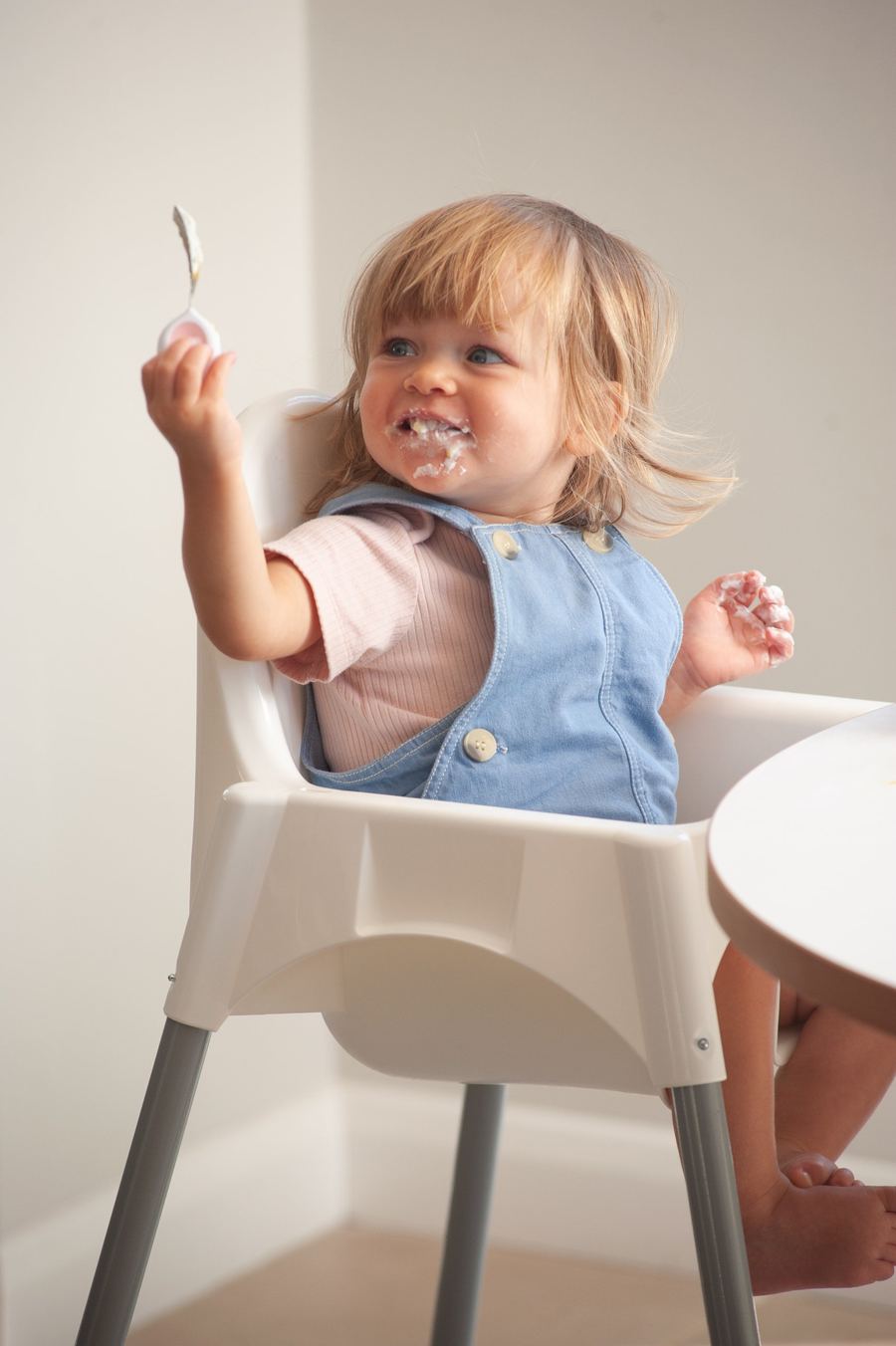
We designed doddl around how little hands actually work. For 12 months a group of seven French nurseries watched children use it at every mealtime, and wrote down what changed. Here are the five key observations that matter most for you at home.
Trying new foods
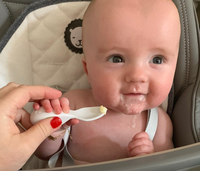
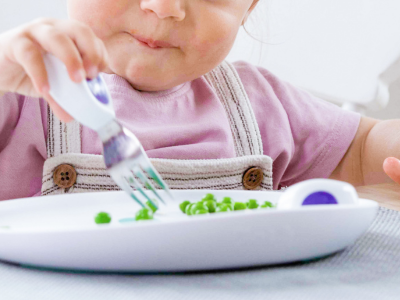
One 2-year-old at the nursery refused peas. Every time. Then they were given a doddl fork.
At first it was a game: poking peas into the gaps between the prongs. Then, slowly, spearing them, and bringing them to their mouth. Two other children at the table watched, picked up their own forks and started doing the same.
“The child looked at me... proud of their success… they proudly repeated the movement for me with concentration.”
of nursery managers surveyed said the doddl tools helped children keep going with tricky foods like peas and lentils, rather than rejecting their plate as they had done previously.
What this means? When a child can get the food successfully onto the fork, they’re far more willing to try it.
Built for little hands
The nursery team spent three months watching children eat with standard cutlery before doddl arrived. Here’s what they saw.
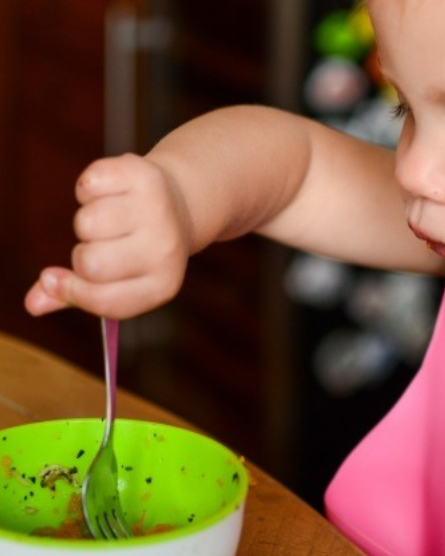
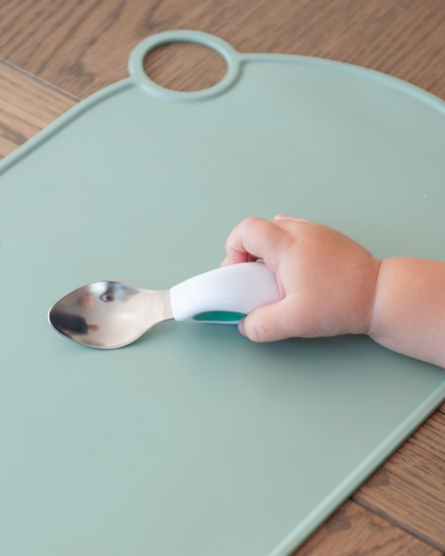
Standard cutleryThin handles made children grab with their whole fist, instead of building a more refined finger grip.
doddlContoured handle. Shaped to encourage and develop the right grip
Standard cutleryLong spoons needed a twist of the wrist that most children under two can’t do yet. So they lifted their elbows, shrugged their shoulders or leaned their whole body to get food to their mouth.
doddlShort and stable. No awkward wrist twist needed to reach the mouth instead, simple and smooth, more direct movements.
Standard cutleryBig plates, wider than a child’s shoulders, meant more twisting, more wriggling and less focus.
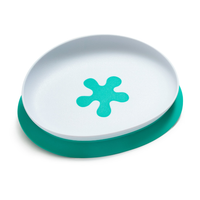
doddlChild-sized plates and bowls. Sized for a small body, so children stay settled and focused.
The handle shape was the design feature nursery staff mentioned most.
"Reduced versions of tableware designed for adults do not respond to the child's needs... children are not miniature adults"
Why it matters now: 77% of primary teachers have seen children’s fine motor skills decline since 2020 (YouGov poll of primary teachers, reported by Tes, May 2025). The table is one of the easiest places to build them - with the right tools.
Less Mess
The nursery team also noticed less food on the floor, fewer tears at the table, and children staying focused on their plate for longer.
“A child who regularly emptied their plate onto the table… since using the [doddl] plates, spoons and forks, no longer systematically tip the food on the table.”
Which means fewer clean-ups for you, and more food where it belongs.
Fewer tears at the table
Before doddl, the nursery team saw it every day. Children crying because they couldn’t get the food to their mouth, or because eating was taking too long. Food squeezed in frustration. Plates and cutlery thrown on the floor.
With doddl, crying at the table dropped markedly and became occasional. Mealtimes got calmer and quieter too.
“A 2-year-old child… who eats very little. With the use of [doddl] cutlery, she takes an interest in food, tastes it, and eats more easily.”
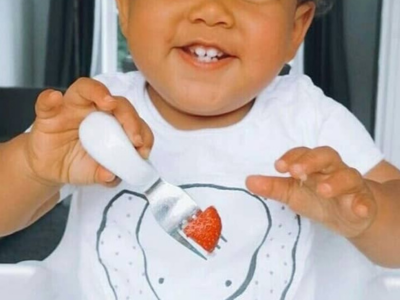
What this means? When children can do it themselves, there’s far less to be frustrated about.
Results - fast.
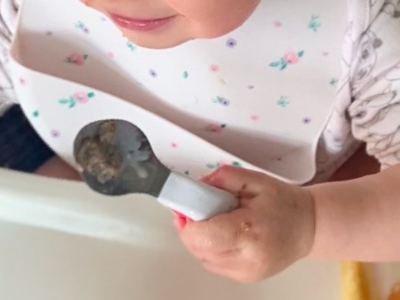
The educators didn’t have to wait long. Within the first few weeks, children were consistantly holding the spoon with a grip suited to their stage, and needing less help from adults.
And it didn’t level off. Progress kept building as each new piece was introduced: first the spoon, then the fork.
Parents noticed it too. Many saw their children wanting to feed themselves at home, and chose to bring doddl in to their homes.
What this means? When children can do it for themselves, they want to keep going - at every mealtime.
These come straight from what the educators saw.
With the right tools in place, the less adults needed to step in, so the more independent children became. Let them try, even if it takes a little longer.
Peas, lentils and beans are hard to scoop but fun to spear. Offer a fork your child can control and let them experiment.
A plate about as wide as your child’s shoulders kept children calmer and more focused than a big adult plate.
Some children who had mastered the spoon started also using their fingers for a few weeks. The researchers observed this as a sign the spoon skill was secure, so the child could focus on another activity at the same time. Using both hands at the same time for different activities is identified as good developmental progress. This phase naturally passed on its own. Keep the spoon on the table and let them choose.
Your child will have around 5,000 mealtimes between six months and five years. Each one is a chance to build their grip, their coordination and their confidence.
We cost a little more because we invest in the research, complex design and high quality materials to create products that deliver the best solution for your child.
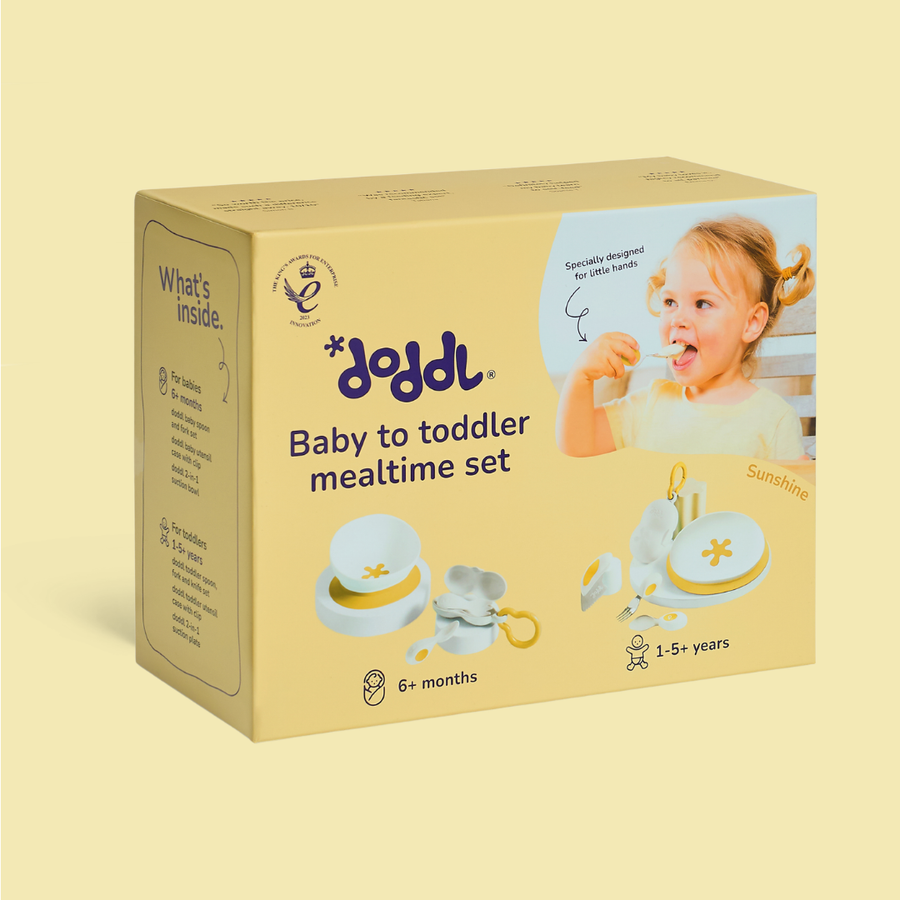
Everything from first spoon to confident independent eating, 6 months to 5 years+, in one box.
Shop the Mealtime Development KitOr shop toddler cutlery →The study was carried out by COGEHAM, a not-for-profit group of seven nurseries in Metz, France. Their educators were trained in structured observation, and more than 97% of families gave consent for their children to take part.
First they watched children eat with standard cutlery and tableware. Then doddl was introduced, and they recorded what changed over a year of mealtimes.
We’ll keep investing in research, because what your child eats with really does matter.
Your cookie choice
We use cookies to keep doddl working, to see which pages help parents find the right cutlery, and to show you relevant offers on other sites. Choose below — you can change your mind any time. Privacy policy