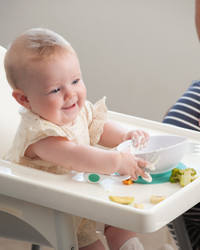
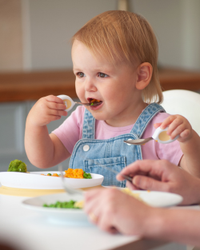
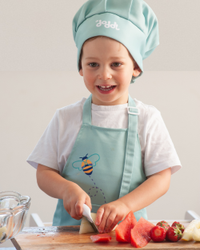
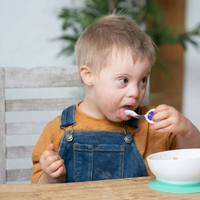
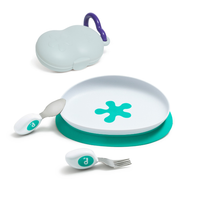
Step back a little
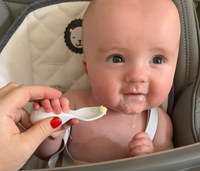
With the right tools in place, the less adults needed to step in, so the more independent children became. Let them try, even if it takes a little longer.
Free UK delivery over £25
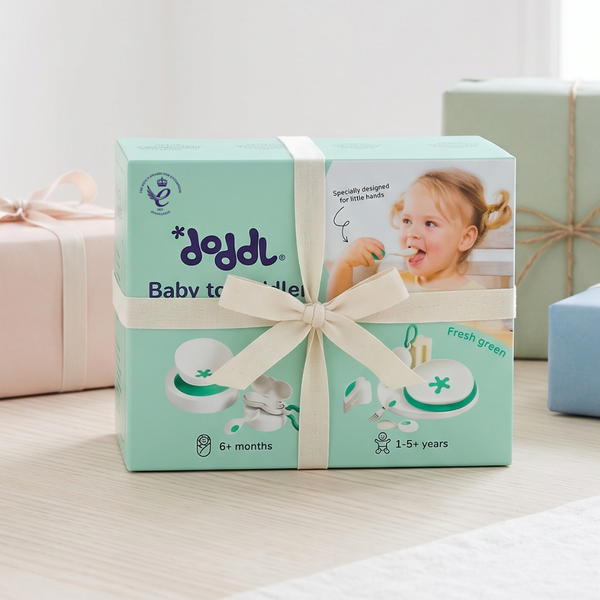
The full doddl journey in one box
6 months to 5 years. First spoon to school.
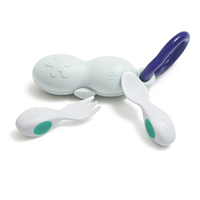
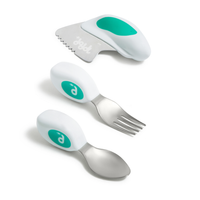
All nine of our award-winning mealtime tools, designed to support your child's development and make mealtimes easier from 6 months - 5+ years.
See what’s insidedoddl is backed by 10 years of research and testing. This study is the next step in our commitment to quality, and to making a positive difference at every mealtime.
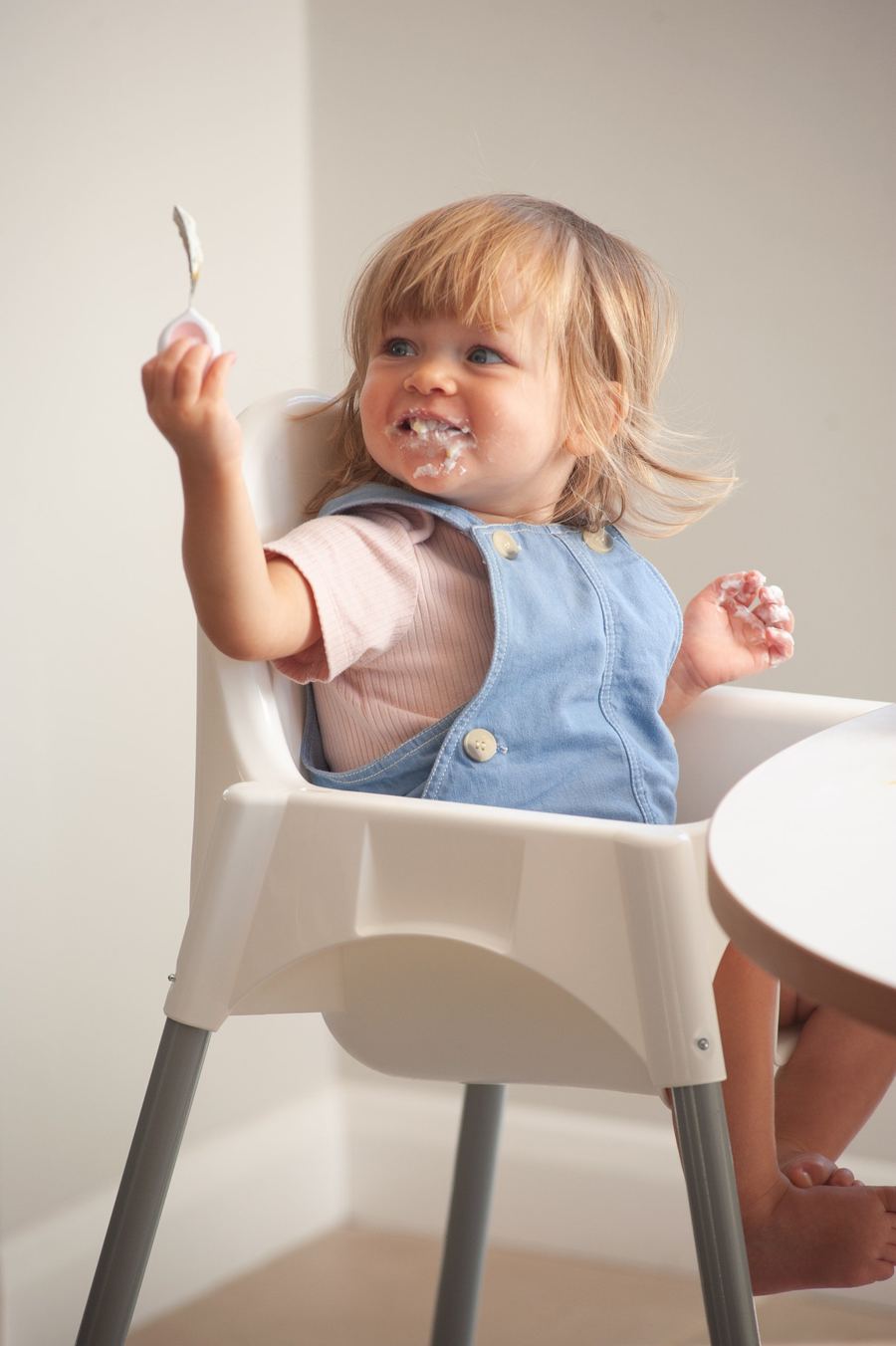
If your child gets frustrated with a spoon, or more food ends up on the floor than in their mouth, it isn’t something you’re doing wrong. Little hands, grip and coordination are still developing, and most cutlery isn’t designed for that. Seven nurseries spent a year watching what changed when the tools fit.
Fewer tears and stress at the table
Before doddl, the nursery team saw it every day: children crying because they couldn’t get food to their mouth, plates pushed to the floor, and frustration building as the meal went on.
With doddl, educators recorded fewer tears at the table, noticeably quieter mealtimes and children concentrating on their food for longer. Plates that stayed in place and rims that guided food onto the spoon meant more attempts ended in success, and far fewer in frustration.
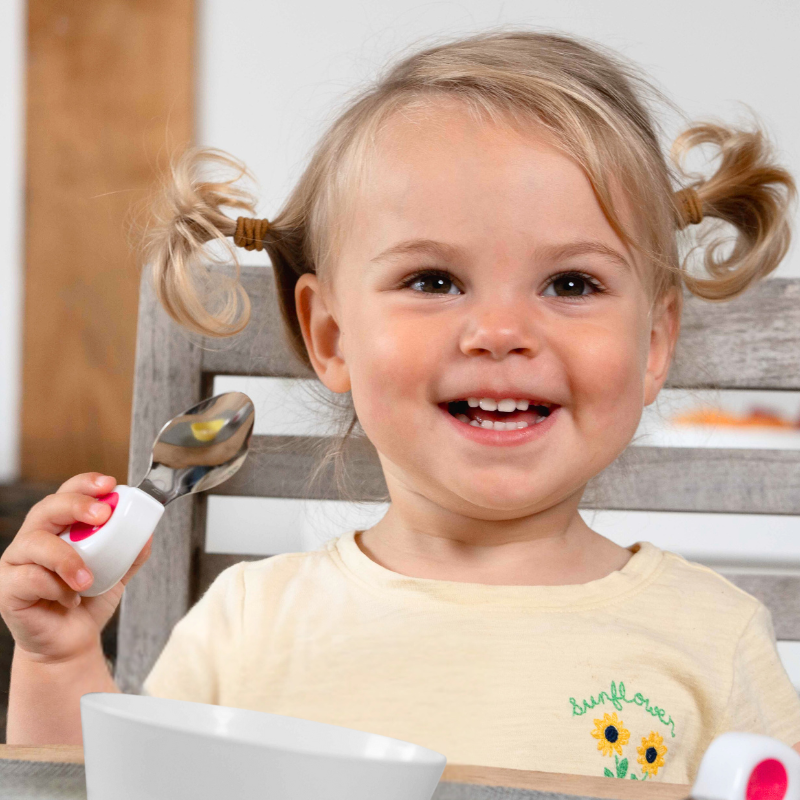
Less struggle, less stress: when children can do it themselves, there’s far less to be upset about, for them and for you.
Design for little hands matters
The nursery team spent three months watching children eat with standard cutlery before doddl arrived. Here’s what they saw.
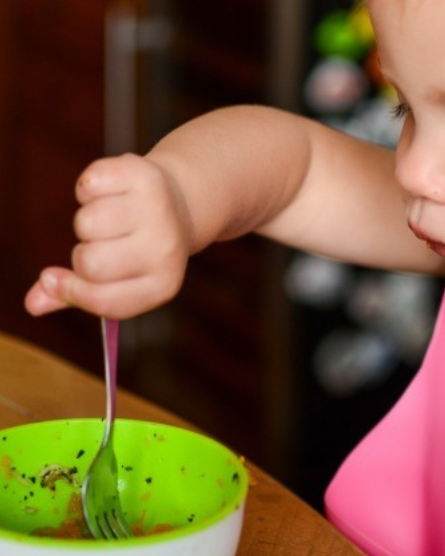
Standard cutleryThin handles made children grab with their whole fist, instead of building a more refined finger grip. Only 11.5% used the more advanced pincer grip.
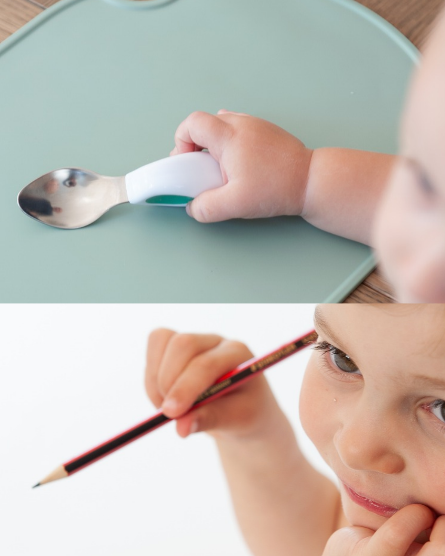
doddlContoured handle. Shaped to encourage and develop the right grip. 72.4% of children were observed consistantly using the more advanced pincer grip when using doddl. This is the grip needed for using a pencil.
Standard cutleryLong spoons needed a twist of the wrist that most children under two can’t do yet. So they lifted their elbows, shrugged their shoulders or leaned their whole body to get food to their mouth.
doddlShort and stable. No awkward wrist twist needed to reach the mouth instead, simple and smooth, more direct movements.
Standard cutleryBig plates, wider than a child’s shoulders, meant more twisting, more wriggling, more energy used and less focus.
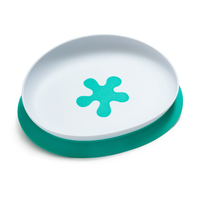
doddlChild-sized plates and bowls. Sized for a small body, so children stay settled and focused.
The handle shape was the design feature nursery staff mentioned most.
"Reduced versions of tableware designed for adults do not respond to the child's needs... children are not miniature adults"
Why it matters now: 77% of primary teachers have seen children’s fine motor skills decline since 2020* . The table is one of the easiest places to build them - with the right tools. *YouGov poll of primary teachers, reported by Tes (May 2025).
Less Mess more eating
The nursery team also noticed less food on the floor, fewer tears at the table, and children staying focused on their plate for longer.
“A child who regularly emptied their plate onto the table… since using the [doddl] plates, spoons and forks, no longer systematically tip the food on the table.”
Which means fewer clean-ups for you, and more food where it belongs.
Encourages children to try new foods
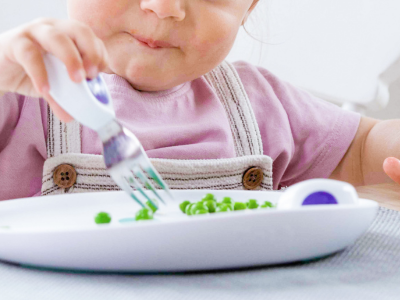
One 2-year-old at the nursery refused peas. Every time. Then they were given a doddl fork.
At first it was a game: poking peas into the gaps between the prongs. Then, slowly, spearing them, and bringing them to their mouth. Two other children at the table watched, picked up their own forks and started doing the same.
“A 2-year-old child… who used to eat very little. With the use of [doddl] cutlery, she takes an interest in food, tastes it, and eats more easily.”
of nursery managers surveyed said the doddl tools helped children keep going with tricky foods like peas and lentils, rather than rejecting their plate as they had done previously. It wasn’t just one child. Once the doddl fork was introduced, educators recorded children eating more vegetables and pulses, such as peas, carrots, lentils and chickpeas. Being able to spear food and get it to their mouth turned tricky foods into a challenge children wanted to take on, and that success encouraged them to keep eating.
What this means? When a child can get the food successfully onto the fork, they’re far more willing to try it.
A new skill learnt - fast
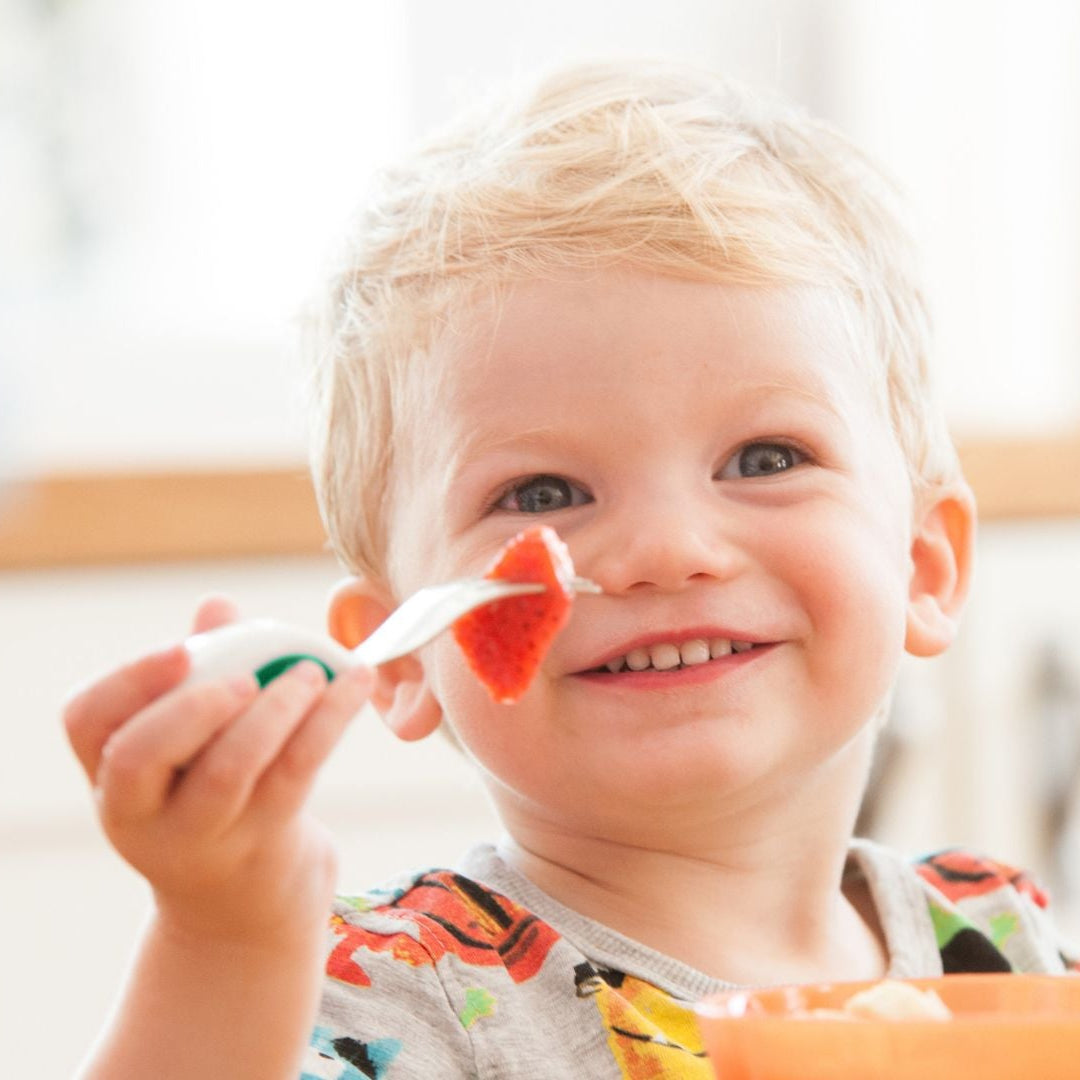
The educators didn’t have to wait long. Within the first few weeks, children were consistantly holding the spoon with a grip suited to their stage, and needing less help from adults.
And it didn’t level off. Progress kept building as each new piece was introduced: first the spoon, then the fork.
“The child looked at me... proud of their success… they proudly repeated the movement for me with concentration.”
Parents noticed it too. Many saw their children wanting to feed themselves at home, and chose to bring doddl in to their homes.
What this means? When children can do it for themselves, they want to keep going - at every mealtime.
The study was carried out by COGEHAM, a not-for-profit group of seven nurseries in Metz, France. Their educators were trained in structured observation, and more than 97% of families gave consent for their children to take part.
First they watched children eat with standard cutlery and tableware. Then doddl was introduced, and they recorded what changed over a year of mealtimes.

We’ll keep investing in research, because this really matters for your child.
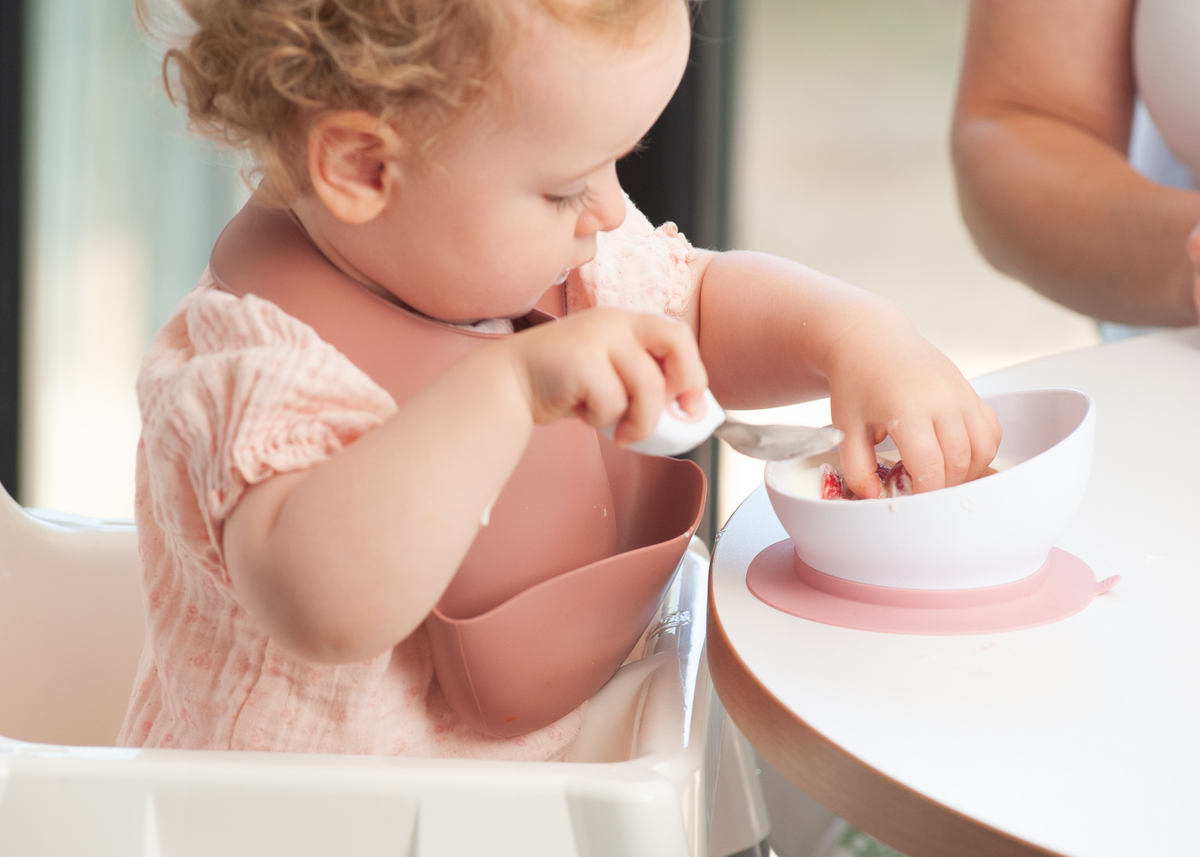
Back to fingers - that's progress
A few weeks after mastering the spoon, children in every nursery started going back to their fingers, touching their food or eating with their hands again. Some parents saw the same at home and worried their child had lost the skill.
The researchers found the opposite. Once holding a spoon becomes automatic, a child’s brain is free to explore their food properly, and fingers tell them what a spoon can’t: whether food is warm, soft, sticky or hard. Once they’d checked, children went back to the spoon on their own, with more confidence than before.
Keep the spoon on the table and let them choose. No need to correct them or take the cutlery away. It passes on its own.
These come straight from what the educators saw.
With the right tools in place, the less adults needed to step in, so the more independent children became. Let them try, even if it takes a little longer.
Peas, lentils and beans are hard to scoop but fun to spear. Offer a fork your child can control and let them experiment.
A plate about as wide as your child’s shoulders kept children calmer and more focused than a big adult plate.
In the study, children were first given the spoon for soup and pudding and the fork for the main course. Over time, they started choosing the right one for the food themselves. Put both on the table and let them decide.

Mealtimes are such an important opportunity
"These findings show that when children have the right tools coupled with opportunity to explore and practise using them, it can make a real difference to their current and future development.
The ‘false regression’ finding really stood out to me. Many parents can panic if their child was attempting to use cutlery but then returned to eating with their fingers. The finding that this is a normal part of learning, and can be a sign of progress, will reassure a lot of families.
As a health visitor, I encourage families to try to enjoy mealtimes together, as something so much more than just eating food. They are such an important opportunity for children to learn and practise other skills, such as fine motor, language and socialising.
With more children starting school with less ability to feed themselves independently, everyday family mealtimes are one of the best opportunities to help prepare them." Ruth Watts, Health Visitor
"My daughters are 7 and 8 years old now, doddl was a big part of our weaning journey years ago, which is why I recommend the products to families daily. To be able to support weaning, independent eating and future hand development is brilliant"
Your child will have around 5,000 mealtimes between six months and five years. Each one is a chance to build their grip, their coordination and their confidence.
We cost a little more because we invest in the research, complex design and high quality materials to create products that deliver the best solution for your child.
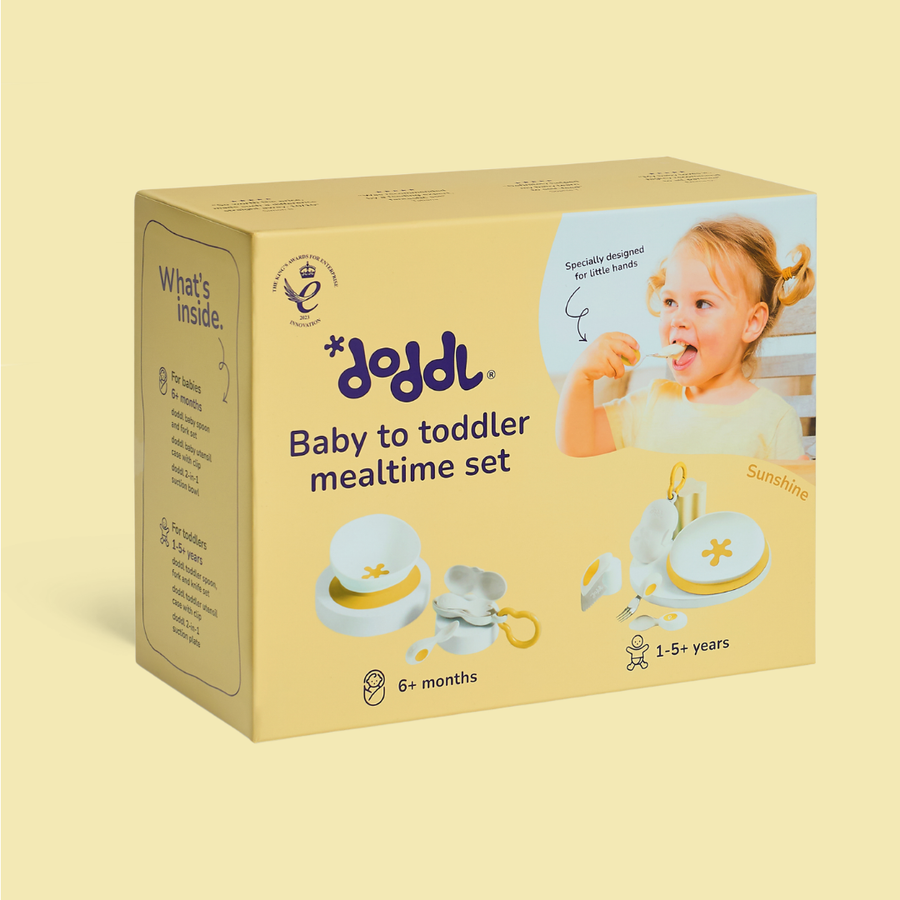
Everything from first spoon to confident independent eating, 6 months to 5 years+, in one box.
Shop the Mealtime Development KitOr shop toddler cutlery →Your cookie choice
We use cookies to keep doddl working, to see which pages help parents find the right cutlery, and to show you relevant offers on other sites. Choose below — you can change your mind any time. Privacy policy