
Hast du schon einmal zugesehen, wie dein Kleinkind versucht, einen Ball zu fangen, Erbsen aufzuschöpfen oder Klötze zu stapeln wie in einer nervenaufreibenden Runde Jenga? Diese wackelige, wunderbar chaotische Anstrengung ist Hand-Auge-Koordination in Aktion – und auch wenn sie nicht immer elegant aussieht, ist sie ein enorm wichtiger Teil der Kleinkindentwicklung.
Hand-Auge-Koordination ist die Fähigkeit, visuelle Eindrücke (was sie sehen) zu nutzen, um körperliche Bewegung (was sie tun) zu steuern. So lernen Kleinkinder, eine Gabel zum Mund zu führen, ihre Jacke zuzuziehen oder ihr erstes Meisterwerk an die Wände zu kritzeln. Es ist nichts, das über Nacht angeht; es wächst nach und nach mit viel alltäglicher Übung (und ein bisschen Kleckerei).
Die gute Nachricht? Wenn du dich fragst, ob die Koordination deines Kindes dort ist, wo sie „sein sollte“ – es gibt eine breite, wackelige Spanne des Normalen. Und wenn du dich fragst, wie du ihm helfen kannst, sich zu verbessern, hast du bereits angefangen. Lass uns erkunden, wie sich diese wichtige Fähigkeit entwickelt und wie du sie zu Hause durch Spiel, Mahlzeiten und sanfte Ermutigung unterstützen kannst.
Warum ist Hand-Auge-Koordination für Kleinkinder wichtig?

Warum ist Hand-Auge-Koordination also wichtig? Nun, sie ist eine dieser Fähigkeiten hinter den Kulissen, die jede Menge alltäglicher Kleinkind-Erfolge antreibt – die Art, die man erst bemerkt, wenn man sein Kleines etwas Neues versuchen sieht.
Die Vorteile der Hand-Auge-Koordination für Kleinkinder sind groß. Sie hilft ihnen:
- Besteck zu halten und zu benutzen, mit zunehmender Präzision
- Türme (zu bauen und umzuwerfen) mit Klötzen oder Bechern
- sich mit wachsender Selbstständigkeit anzuziehen – denk an Reißverschlüsse, Knöpfe, Socken anziehen
- sich mit mehr Selbstvertrauen und weniger Frust selbst zu füttern (weniger Erbsen auf dem Boden … irgendwann)
- Spiele zu lernen und Spielzeug zu handhaben, das Zielen, Griff und Kontrolle erfordert
Sie ist auch ein großer Teil der Gehirnentwicklung. Augen und Hände zu koordinieren bedeutet, Verbindungen zwischen verschiedenen Hirnbereichen zu knüpfen – und legt den Grundstein für komplexere Aufgaben, während sie wachsen.
Und vielleicht am wichtigsten: Sie stärkt das Selbstvertrauen. Wenn sich Kleinkinder mit ihren Händen fähig fühlen, sind sie eher bereit, Neues zu probieren. Und dieser „Ich kann das!“-Moment? Da passiert der Zauber.
Anzeichen der Entwicklung der Hand-Auge-Koordination

Hand-Auge-Koordination kommt nicht einfach an – sie baut sich nach und nach auf, beginnend im Babyalter und weiter durch die Kleinkindjahre. So könnte das in Aktion aussehen:
Etwa 6–12 Monate
Nach Spielzeug greifen, es von Hand zu Hand geben, Gegenstände mit den Augen verfolgen
Mit 12–18 Monaten
Klatschen, Zeigen, Spielzeug aneinanderschlagen, mit dem Fingeressen beginnen
Ab 18 Monaten
Ein paar Klötze stapeln, mit Wachsmalstiften kritzeln, Seiten umblättern, Essen aufschöpfen
2–3 Jahre
Bälle werfen und fangen, große Perlen auffädeln, einfache Puzzles beginnen
Jedes Kleinkind entwickelt sich in seinem eigenen Tempo, und das ist völlig in Ordnung. Am wichtigsten ist, ihm viele Gelegenheiten zu geben, auf seine Weise und in seiner Zeit zu üben.
Aktivitäten, um die Hand-Auge-Koordination bei Kleinkindern zu verbessern
Du fragst dich, wie man die Hand-Auge-Koordination bei Kleinkindern verbessert? Das Beste daran: Es braucht weder teure Ausrüstung noch komplizierte Aufbauten. Viele der wirksamsten Aktivitäten können direkt zu Hause stattfinden (oft mit Dingen, die du schon zur Hand hast).
Hier ein paar lustige, einfache Ideen zum Ausprobieren:
Becher stapeln
Toll für Kontrolle, Balance und diesen so befriedigenden Umkipp-Moment
Perlen oder Nudeln auf eine Schnur fädeln
Ausgezeichnet für ältere Kleinkinder, die an ihrer Präzision arbeiten
Einfache Puzzles
Holz-Formensortierer oder Zuordnungsspiele unterstützen Koordination und Gedächtnis
Ballspiele
Rollen, Werfen oder Fangen (beginne mit einem weichen, großen Ball) baut Timing und Zielgenauigkeit auf
Steckspielzeug
Denk an Formen in Schlitze oder Pompons in Behälter
Selbstständiges Essen mit Besteck
Ja, Kleckerei gehört zum Zauber dazu!
Wasserspiel
Schöpfen, Ringe und Umfüllen zwischen Bechern hilft bei Kontrolle und Stabilität
Zeichnen, Punkt-Sticker oder Schwammmalen
Alles hervorragend für feine Bewegung und visuellen Fokus
Wie Mahlzeiten helfen, Koordination aufzubauen

Es fühlt sich vielleicht nicht immer so an, besonders wenn Joghurt in den Haaren und Erbsen unter dem Stuhl sind, aber Mahlzeiten sind eine überraschend wirkungsvolle Zeit, um die Koordination deines Kleinkindes zu unterstützen.
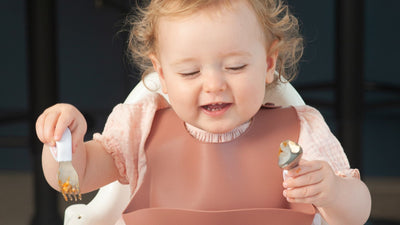
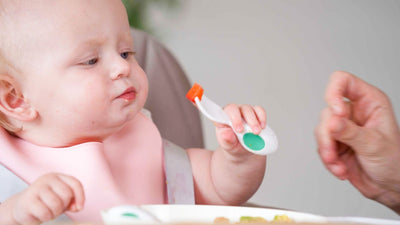
Dieser simple Akt, einen Löffel zum Mund zu führen? Er erfordert Timing, Kontrolle, Griffkraft und visuellen Fokus, alles vereint in einem wackeligen Schöpfen. Regelmäßiges Üben mit Besteck fördert die Hand-Auge-Koordination des Kleinkindes, stärkt die Selbstständigkeit und kräftigt die Feinmotorik.
Ergänze Handlungen wie Fingerfood aufnehmen, mit einer Gabel Essen aufspießen oder mit einem Löffel schöpfen, und du hast eine tägliche Gelegenheit zur Entwicklung der Motorik. Auch wenn sie noch öfter die Hände benutzen als nicht (und das werden sie eine Weile), lernen sie mit jedem Schritt.
Auch das richtige Werkzeug hilft. Durchdacht gestaltetes, ergonomisches Kleinkindbesteck und rutschfeste Teller und Schalen geben kleinen Händen bessere Kontrolle und mehr Selbstvertrauen. All diese Essentials findest du in der doddl Ess-Kollektion – Werkzeuge, die Übung in Fortschritt verwandeln, ein Löffel nach dem anderen.
FAQs zur Hand-Auge-Koordination bei Kleinkindern
In welchem Alter sollten Kleinkinder Hand-Auge-Koordination entwickeln?
Sie beginnt sich im Babyalter zu entwickeln und setzt sich durch die gesamte Kleinkindzeit fort. Deutliche Verbesserungen siehst du wahrscheinlich zwischen 12 und 36 Monaten, wobei der Fortschritt von Kind zu Kind variiert.
Welches Spielzeug eignet sich am besten, um Hand-Auge-Koordination aufzubauen?
Stapelspielzeug, Bälle, Puzzles, Formensortierer, Steckspielzeug, Zeichenwerkzeug und alles, was Schöpfen, Greifen oder Zuordnen beinhaltet, sind tolle Optionen.
Ist eine schlechte Hand-Auge-Koordination ein Zeichen für eine Verzögerung?
Nicht unbedingt – viele Kleinkinder lassen sich Zeit. Wenn du besorgt bist oder eine sehr eingeschränkte Koordination oder wenig Fortschritt bemerkst, ist es immer in Ordnung, mit einer Familienhebamme oder deiner Hausärztin/deinem Hausarzt zu sprechen, um beruhigt zu sein.
Woran erkenne ich, ob mein Kleinkind mehr Unterstützung bei der Koordination braucht?
Wenn es Aktivitäten, die Greifen, Fassen oder selbstständiges Essen beinhalten, beständig vermeidet – oder wenn Aufgaben wie das Halten von Wachsmalstiften oder das Stapeln von Klötzen ungewöhnlich schwerfallen –, lohnt es sich vielleicht, zusätzliche Wege zu erkunden, es zu unterstützen.
Sollte ich mir Sorgen machen, wenn mein Kleinkind lieber die Hände als Besteck benutzt?
Überhaupt nicht! Hände sind ein gültiges, hilfreiches Werkzeug für Kleinkinder. Die Finger zu benutzen gehört zum Lernen über Essen und Kontrolle dazu – und der Umgang mit Besteck kommt mit der Zeit, besonders mit regelmäßigen Gelegenheiten zum Üben.


Hinterlasse einen Kommentar
Diese Website ist durch hCaptcha geschützt und es gelten die allgemeinen Geschäftsbedingungen und Datenschutzbestimmungen von hCaptcha.