
The Gift of Independent Eating: Supporting Children's Journey Towards Independence

This article has been contributed by a guest author Charlotte Hillyard, who is a FEDANT-registered Sleep and Potty Training Consultant. The views and opinions expressed are those of the author.
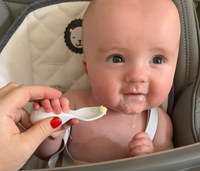
Learning to eat independently is one of those everyday milestones that can be easy to overlook. Yet, behind a child picking up a piece of food, holding a spoon, or drinking from a cup is a whole world of development.
Independent eating gives children the opportunity to practise confidence, coordination, communication, and self-regulation. It is not simply about learning to feed themselves; it is about learning to listen to their bodies and becoming more capable of meeting their own needs.
The Role of Independent Eating in Physical Development

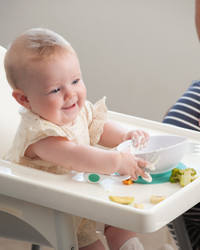
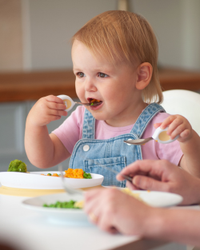
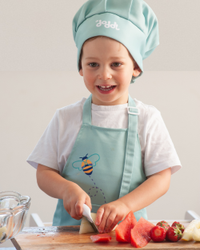
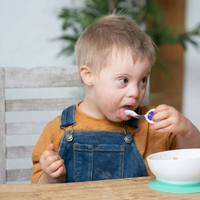
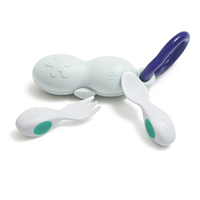
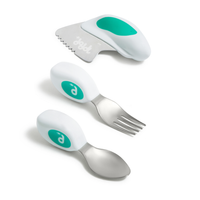
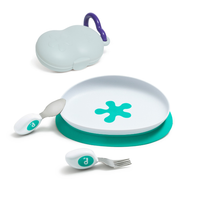
Independent eating helps children develop fine motor skills and hand-eye coordination. Picking up food, holding a spoon, using a fork, and drinking from a cup all require children to control their hands and fingers. These skills can later support activities such as drawing, writing, and dressing themselves. When children are encouraged to feed themselves, they begin to experience the feeling of “I can do it myself.” They learn to make choices, try new things, and develop confidence in their own abilities.
There will be spills, dropped spoons and messy faces, but these are all part of the learning process. The aim is not perfection. It is giving children the time and space to practise. This growing independence can then begin to appear in other areas of daily life, including getting dressed, brushing their teeth, going to sleep, and using the toilet.
Helping Children Listen to Their Bodies
One of the most important developmental aspects of independent eating is body awareness. Children gradually begin to recognise when they are hungry and when they have had enough to eat.
This is closely linked to potty training. In both situations, children are learning to notice what their body is telling them and respond to it.
With toileting, a child learns to recognise the sensation of needing to wee or poo, communicate that they need to go and eventually manage the process themselves. With eating, they learn to recognise hunger and fullness and communicate these needs.
Both are important steps towards self-awareness and self-regulation.
The Connection Between Independent Eating and Potty Training

Potty training is another significant step towards independence. Just like independent eating, it requires children to develop confidence in their own abilities while knowing that an adult is there to support them.
Children need opportunities to practise without feeling pressured. Accidents are a normal part of the process, just as dropping food or spilling a drink is normal when learning to eat independently.
Both experiences also involve routines. Regular mealtimes and opportunities to use the toilet can help children become familiar with what happens throughout their day. Over time, these routines can help children feel secure and understand what is expected of them.
Most importantly, children develop at different rates. Some will be ready to use the toilet earlier than others, just as some children will become confident with independent eating sooner. Following the child's individual readiness and offering gentle encouragement can make these milestones positive experiences.
How Eating and Toileting Routines Relate to Sleep
Eating, toileting and sleep are all important parts of a child's daily routine. When children are hungry, uncomfortable or need the toilet, it can affect their ability to settle and sleep well.
Predictable routines around meals, toileting and bedtime can help children feel safe and secure. As they become more independent, children can gradually take part in these routines themselves, whether that is feeding themselves, using the toilet or getting ready for bed.
More Than Just a Meal: A Journey Towards Independence

Learning to eat independently is about so much more than food. It’s one of those quiet moments in childhood where something begins to shift. A little more confidence. A little more trust. A growing awareness that I can listen to my body, and I can do things for myself.
Alongside sleep and potty training, eating is part of a much bigger journey towards independence. At first, it might be as simple as reaching for the spoon. Then noticing that their tummy feels full. Telling you they need the toilet. Climbing into bed and finding their way towards sleep. These moments can seem small, but to a child, they are anything but.
Each one is an opportunity to discover something about themselves. To notice what they need. To have a go. To realise that their body is communicating with them and that they can begin to listen.
Charlotte Hillyard is a mum of two and a FEDANT-registered Sleep and Potty Training Consultant based in Essex, UK. As the founder of The Gift of Sleep UK, she supports parents with practical, gentle and evidence informed advice on children’s sleep and potty training.
Charlotte is a member of the International Association of Child Sleep Consultants (IACSC) and the International Paediatric Sleep Association (IPSA). Safer sleep is at the heart of her work, and she holds a certification in SIDS and Safer Sleep for Babies from The Lullaby Trust. Her advice also follows current NHS Start for Life safer-sleep guidance.
As a parent herself, Charlotte understands the realities of family life and takes a supportive, non-judgemental approach, helping parents feel informed and confident through every stage of their child’s development.