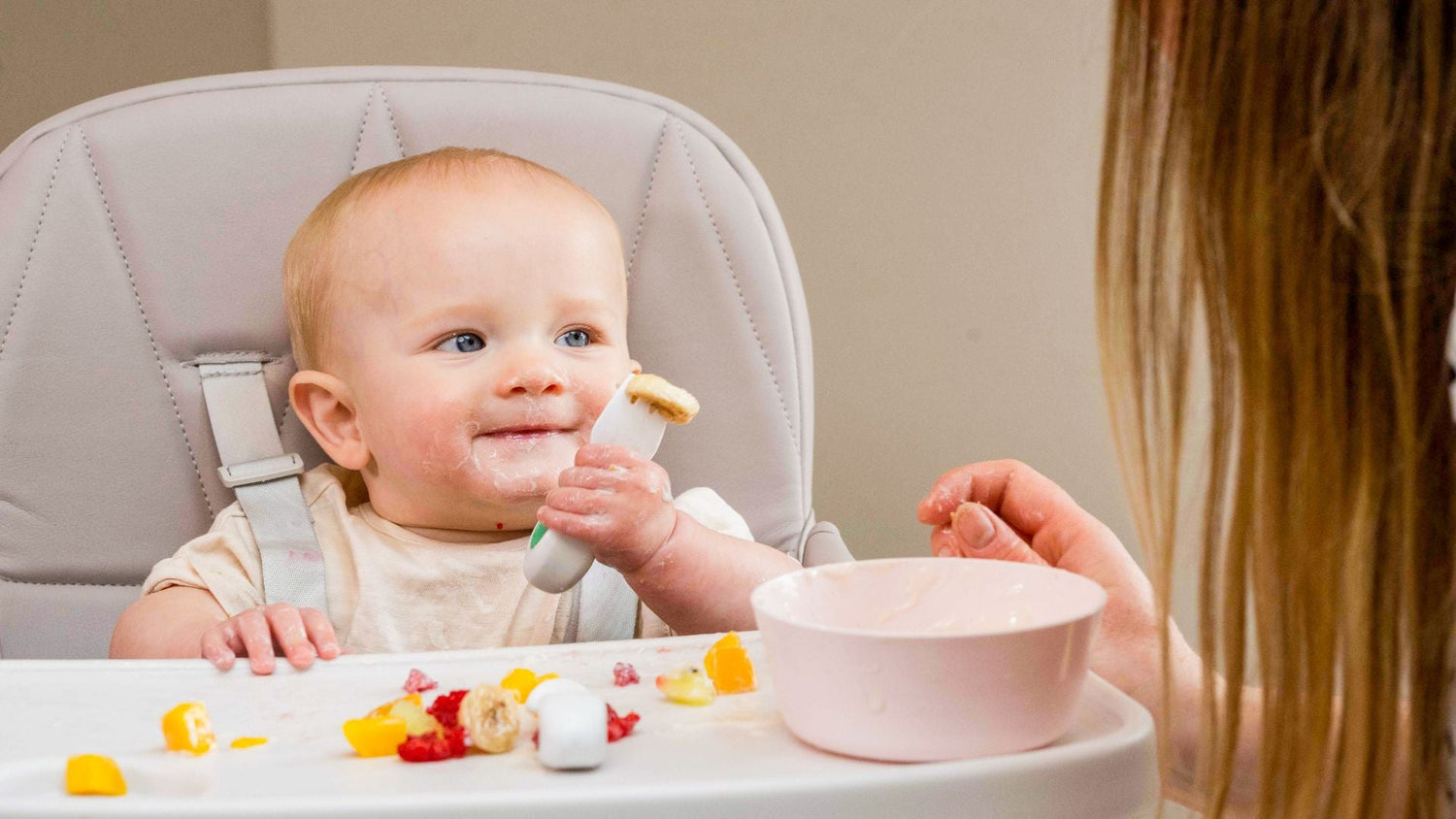
Hier die Wahrheit: Beikost-Angst ist eine der universellsten Erfahrungen in der Elternschaft. Und das meiste, worüber sich Eltern am meisten Sorgen machen, ist entweder völlig normal, handhabbar oder viel unwahrscheinlicher, als sie fürchten.
Gehen wir sie durch. Eine nach der anderen.
„Was, wenn mein Baby sich verschluckt?“ – Würgereflex vs. Verschlucken erklärt
Kurze Antwort
Würgereflex und Verschlucken sind unterschiedliche Dinge. Der Würgereflex ist normal, schützend und bei neuen Beikost-Kindern sehr häufig. Verschlucken ist selten, aber ernst. Den Unterschied zu kennen – und zu wissen, was in beiden Fällen zu tun ist – nimmt den meisten der Angst.
Das ist die Angst, die mehr Eltern vom Beginn der Beikost abhält als jede andere. Also seien wir sehr klar über den Unterschied.
wirkt beängstigend: Dein Baby hustet, verschluckt sich, wird rot, macht Würgegeräusche. Es kann wirklich erschreckend sein, das zu beobachten. Aber laut NHS-Empfehlungen ist der Würgereflex ein
normaler und schützender Reflex
Würgen sieht aus, als könnte dein Baby sich gleich übergeben, es öffnet den Mund und schiebt die Zunge nach vorne. Es kann still sein, oder es kann ein Würgegeräusch damit einhergehen. Vor und nach einem Würgen kann dein Kind normal Laute äußern.. Babys haben einen Würgereflex, der viel weiter vorne im Mund positioniert ist als bei Erwachsenen, was bedeutet, dass er früh auslöst – bevor Essen irgendwo nahe an die Atemwege kommt. Es ist der Körper, der seine Arbeit tut. ist anders: Ein verschluckendes Baby iststill
Verschlucken ist normalerweise still oder sehr leise. Das liegt daran, dass während einer echten Verschluckungsepisode ein Stück Essen (oder ein anderer Gegenstand) sich in den Atemwegen festsetzt. Das verhindert, dass Luft aus der Lunge nach oben und aus dem Mund heraus reist, was es schwierig macht, Laute zu machen oder zu atmen., kann nicht atmen, und wird vielleicht blau. Das ist ein echter Notfall. Der NHS und St John Ambulance empfehlen beide, Erste Hilfe bei Verschlucken bei Säuglingen zu lernen, bevor du mit der Beikost beginnst – nicht weil es wahrscheinlich passiert, sondern weil zu wissen, was zu tun ist, bedeutet, dass du nicht in Panik gerätst, falls es passiert. Was du vor Beginn der Beikost tun solltestNimm einen pädiatrischen Erste-Hilfe-Kurs, oder sieh dir den
St-John-Ambulance-Ratgeber zu Verschlucken bei Säuglingen an
. Der NHS hat auch Anleitung unter nhs.uk/conditions/baby/weaning-and-feeding/. Es braucht 20 Minuten und verwandelt die Angst vollständig. Noch eine Sache zur Ausrüstung: Baby-Löffel mit langem Griff sind ein Designfehler. Wenn ein Baby einen langen Löffel in den Mund nimmt, erreicht er den hinteren Teil des Rachens und löst unnötig den Würgereflex aus. doddl Baby-Löffel haben kurze, kompakte Griffe, speziell dafür gestaltet, das zu verhindern – die Löffelschale sitzt vorne im Mund, wo sie hingehört. Weniger Würgereflex-Risiko, mehr Erfolg, weniger Angst.„Was, wenn mein Baby alles verweigert?“ – Nahrungsverweigerung ist normal
Nahrungsverweigerung am Beginn der Beikost ist völlig normal und bedeutet selten, dass dein Baby das Essen nicht mag. Wiederholte, entspannte Exposition ist der evidenzbasierte Ansatz. Die meisten verweigerten Lebensmittel werden nach 10–15 Expositionen akzeptiert.
Dein Baby spuckt alles aus, was du anbietest. Es macht das Gesicht. Es schiebt die Schale weg. Du beginnst, alles zu hinterfragen.

Das ist die Angst, die mehr Eltern vom Beginn der Beikost abhält als jede andere. Also seien wir sehr klar über den Unterschied.
Hier, was die Forschung sagt: Nahrungsverweigerung am Beginn der Beikost ist kein Urteil. Es ist eine Reaktion auf Neuheit. Babys sind biologisch darauf programmiert, sich neuen Dingen vorsichtig zu nähern – das ist ein Überlebensinstinkt, keine Bewertung deines Kochens.
Forschung von Birch und Kolleg:innen – gut etabliert in der pädiatrischen Fütter-Literatur – zeigt beständig, dass wiederholte Exposition gegenüber verweigerten Lebensmitteln die Akzeptanz erhöht. Die typische Anzahl benötigter Expositionen?
10 bis 15
. Das sind nicht 10 bis 15 Tage. Es könnten 10 bis 15 Wochen des Anbietens desselben Lebensmittels sein, bevor es akzeptiert wird. Das ist normal. Das ist der Prozess. Der Ansatz, der funktioniert: Anbieten ohne Druck. Leg das Essen auf das Tablett, lass es erkunden, reagiere nicht, wenn es verweigert wird. Das Prinzip der Verantwortungsteilung, entwickelt von der Fütter-Therapeutin Ellyn Satter, bringt es einfach auf den Punkt: Du entscheidest was, wann und wo. Dein Baby entscheidet, ob und wie viel. Nimm den Druck aus der Gleichung, und Akzeptanz folgt tendenziell.„Beginne ich zur richtigen Zeit?“ – die Zeichen der Beikost-Bereitschaft
Der NHS empfiehlt, feste Nahrung mit etwa 6 Monaten einzuführen – nicht vor 17 Wochen. Achte auf alle drei Bereitschaftszeichen zusammen: aufrecht sitzen und den Kopf ruhig halten, Augen/Hände/Mund koordinieren, und schlucken statt Essen herauszuschieben.
Aktuelle NHS-Empfehlungen (
Das ist die Angst, die mehr Eltern vom Beginn der Beikost abhält als jede andere. Also seien wir sehr klar über den Unterschied.
nhs.uk/conditions/baby/weaning-and-feeding/babys-first-solid-foods/
) empfehlen, feste Nahrung mit etwa 6 Monaten einzuführen, und niemals vor 17 Wochen. Zu früh zu beginnen erhöht das Risiko von Infektionen, Allergien und Übergewicht – nicht wegen irgendeines Versagens deinerseits, sondern weil der Darm einfach noch nicht bereit ist.Der NHS identifiziert drei Bereitschaftszeichen – und alle drei sollten vorhanden sein:Kann aufrecht sitzen und den Kopf ruhig halten
– das ist wesentlich für sicheres Schlucken
- Kann Augen, Hände und Mund koordinieren – es kann Essen ansehen, aufnehmen und in den Mund stecken
- Kann Essen schlucken – statt es automatisch mit der Zunge zurückzuschieben
- Hinweis: Ein Baby, das Interesse an Essen zeigt, dir beim Essen zusieht, oder nachts mehr aufwacht, sind keine Bereitschaftszeichen für sich allein. Die drei körperlichen Zeichen oben sind, was zählt. Wenn dein Baby alle drei Zeichen vor sechs Monaten zeigt, sprich mit deiner Familienhebamme. Wenn es sie mit sechs Monaten nicht alle zeigt, ist das auch in Ordnung – jedes Baby entwickelt sich in seinem eigenen Tempo.
„Was, wenn ich es durcheinanderbringe?“ – es gibt keine perfekte Beikost
Es gibt keine einzige richtige Art, Beikost zu machen. Baby-led, löffelgeführt oder eine Kombination – alle sind gültig. Die Forschung unterstützt einen entspannten, vielfältigen Ansatz über jede bestimmte Methode. Du wirst das nicht falsch machen, indem du präsent bist und es versuchst.
Die Beikost-Beratungsindustrie ist riesig und, ehrlich gesagt, oft widersprüchlich. Baby-led Weaning gegen Löffelfütterung. Pürees gegen Fingerfood. Erste Lebensmittel genau mit 26 Wochen gegen den Signalen deines Babys folgen. Es kann sich anfühlen, als gäbe es eine richtige Antwort, die du vielleicht verpasst.

Das ist die Angst, die mehr Eltern vom Beginn der Beikost abhält als jede andere. Also seien wir sehr klar über den Unterschied.
Die gibt es nicht. Die Evidenz unterstützt einen entspannten, responsiven Ansatz – eine Vielfalt an Lebensmitteln anzubieten, der Führung deines Babys zu folgen und Mahlzeiten nicht zum Schlachtfeld zu machen – über jede bestimmte Methode. Die meisten Babys, denen vielfältige, geschmackvolle Lebensmittel in einer druckfreien Umgebung angeboten werden, werden gute Esser. Die meisten der Übrigen erreichen das schließlich auch.
Was tatsächlich zählt: Dein Baby sitzt sicher. Das Essen ist in Konsistenz und Größe angemessen. Du bist präsent und engagiert. Alles andere ist Detail.
„Wie werde ich wissen, ob etwas eine Allergie ist?“ – worauf man achten sollte
Aktuelle NHS-Empfehlungen empfehlen, allergene Lebensmittel ab etwa 6 Monaten einzuführen – nicht sie zu vermeiden. Führe ein neues Lebensmittel nach dem anderen ein und achte über 2 Stunden auf Reaktionen. Symptome beinhalten Nesselsucht, Schwellung, Erbrechen oder Atembeschwerden.
NHS-Empfehlungen zu Nahrungsmittelallergien haben sich in den letzten Jahren erheblich verändert. Der aktuelle Rat ist, allergene Lebensmittel – einschließlich Erdnüsse, Eier, Milch, Weizen, Fisch und Sesam – ab etwa 6 Monaten als Teil der normalen Beikost einzuführen. Die Einführung zu verzögern reduziert das Allergierisiko nicht; in vielen Fällen reduziert frühe Einführung es aktiv.
Das ist die Angst, die mehr Eltern vom Beginn der Beikost abhält als jede andere. Also seien wir sehr klar über den Unterschied.
Wenn es eine Familiengeschichte schwerer Allergien gibt oder dein Baby schweres Ekzem hat, sprich mit deiner Hausärztin/deinem Hausarzt, bevor du hoch-allergene Lebensmittel einführst. Für alle anderen ist der NHS-Rat klar: führe sie früh ein, eins nach dem anderen, in kleinen Mengen.
Zeichen einer allergischen Reaktion, auf die man achten sollte:
Nesselsucht oder ein erhabener, juckender Ausschlag
Schwellung von Gesicht, Lippen oder Augen
- Erbrechen kurz nach dem Essen
- Laufende Nase und tränende Augen
- Atembeschwerden – ruf sofort den Notruf 112
- Vollständige NHS-Empfehlungen zur Allergen-Einführung:
- nhs.uk/conditions/baby/weaning-and-feeding/what-to-feed-young-children/
„Was, wenn mein Baby jedes Lebensmittel hasst, das ich anbiete?“ – die Expositions-Forschung Kein Baby hat jemals dauerhaft alles Essen verweigert. Was sich wie Hass anfühlt, ist fast immer Unvertrautheit. Wiederholte, druckfreie Exposition gegenüber verweigerten Lebensmitteln führt in der überwiegenden Mehrheit der Fälle zu Akzeptanz – es braucht nur länger, als die meisten Eltern erwarten.
Diese Angst erreicht oft ihren Höhepunkt um Woche zwei bis vier der Beikost, wenn die Neuheit für die Eltern verschwunden ist, das Baby aber noch im vollen Verweigerungsmodus ist.
Das ist die Angst, die mehr Eltern vom Beginn der Beikost abhält als jede andere. Also seien wir sehr klar über den Unterschied.
Das Wichtigste zu wissen: Geschmacksvorlieben sind nicht festgelegt. Sie werden gelernt. Derselbe Geschmack, der in Woche zwei verweigert wird, wird oft in Woche acht akzeptiert und in Woche zwölf genossen. Die Forschung dazu ist beständig und beruhigend – vielfältige, wiederholte Exposition funktioniert. Nicht sofort, aber zuverlässig.
doddls Partnerin Charlotte Stirling-Reed – zugelassene Ernährungsberaterin und eine der führenden Beikost-Expertinnen im UK – beschreibt es gut: weiter anbieten, entspannt bleiben, und dem Prozess vertrauen. Die Babys, die alles essen, kamen nicht dort hin, weil ihre Eltern das magische Lebensmittel fanden. Sie kamen dort hin, weil ihre Eltern weitermachten.
„Ich mache mir Sorgen um die Kleckerei“ – warum Kleckerei tatsächlich das Ziel ist
Kleckerei während der Beikost ist kein Zeichen, dass etwas falsch läuft. Es ist der Lernprozess. Babys erkunden Essen mit ihren Händen, ihrem Gesicht und ihrem ganzen Körper, bevor sie Besteck benutzen können – diese sensorische Erkundung ist entwicklungsbedingt wesentlich und direkt mit Nahrungsakzeptanz verbunden.
Ja, es wird chaotisch. Das ist kein Fehler, das ist ein Feature.

Das ist die Angst, die mehr Eltern vom Beginn der Beikost abhält als jede andere. Also seien wir sehr klar über den Unterschied.
Wenn dein Baby Essen in seiner Faust zerdrückt, es auf dem Hochstuhl-Tablett verschmiert und es in seine Augenbrauen bekommt, tut es genau das, was es tun soll. Sensorische Erkundung von Essen – Konsistenz, Temperatur, Geruch, Gefühl – geht der Akzeptanz voraus. Die Babys, die nie mit Essen spielen dürfen, sind oft die, die später am meisten mit Nahrungsakzeptanz ringen.
Praktisches Kleckerei-Management: ein Vollabdeckungs-Lätzchen, eine Spritzmatte unter dem Hochstuhl, und Essen, das sich von den meisten Oberflächen abwischen lässt. Das ist alles. Setz die Messlatte dafür, was „sauber“ bei Mahlzeiten bedeutet, niedriger, und die Angst verschwindet weitgehend.
„Welche Ausrüstung brauche ich wirklich?“ – es einfach halten
Du brauchst weniger, als du denkst. Einen Hochstuhl, der aufrechtes Sitzen unterstützt, ein Lätzchen, angemessene Lebensmittel – und Besteck, das für den Griff gestaltet ist, den dein Baby mit 6 Monaten tatsächlich hat. Die meisten Baby-Fütter-Produkte sind nicht dafür gestaltet, dass Babys sie benutzen. doddl Babybesteck ist es.
Der Beikost-Ausrüstungsmarkt ist überwältigend. Du brauchst die meisten davon absolut nicht.

Das ist die Angst, die mehr Eltern vom Beginn der Beikost abhält als jede andere. Also seien wir sehr klar über den Unterschied.
Die Unverzichtbaren:
Ein Hochstuhl, der aufrechtes Sitzen erlaubt
– wesentlich für sicheres Schlucken
- Lätzchen – Vollabdeckung, leicht zu reinigen
- Altersgerechte Lebensmittel – weiche Konsistenzen, angemessene Größen, kein zugesetztes Salz oder Zucker
- Besteck, gestaltet für den Griff, den dein Baby jetzt hat – kein verkleinerter Erwachsenenlöffel
- Zu diesem letzten Punkt: Die meisten Baby-Löffel auf dem Markt sind dafür gestaltet, dass Eltern damit löffelfüttern. Sie haben lange Griffe, weil das für den fütternden Erwachsenen bequem ist. Aber wenn du möchtest, dass dein Baby sich selbst füttert – was sowohl das Ziel als auch das bessere Entwicklungsergebnis ist – brauchst du einen Löffel, der für seine Hand gebaut ist, nicht für deine. doddl Babybesteck
ist für den palmaren Griff konstruiert, den ein 6 Monate altes Baby tatsächlich hat. Der kurze Griff sitzt in der Handfläche, reduziert das Würgereflex-Risiko, und macht es Babys möglich, von der ersten Sitzung an erfolgreich Essen zum Mund zu bringen.
Wenn ein Baby bei etwas Erfolg hat, versucht es es erneut. Dieser frühe Erfolg ist das Fundament eines selbstbewussten Essers. Was Charlotte Stirling-Reed sagt Charlotte Stirling-Reed, zugelassene Ernährungsberaterin und eine der vertrauenswürdigsten Beikost-Expertinnen im UK, empfiehlt doddl genau aus diesem Grund: Das Besteck ist um die Art gebaut, wie die Hände von Babys tatsächlich funktionieren, was selbstständiges Essen von Anfang an erreichbar macht, statt zu einer Quelle von Frustration. Finde doddl Babybesteck auf
doddl.com/collections/discover-baby-cutlery
Über 25.000 Eltern haben doddl fünf Sterne gegeben. Das Häufigste, das sie sagen? „Ich wünschte, wir hätten das von Anfang an gehabt.“ Eine letzte SacheDu bist ungefähr fünf und einen halben Monat weit. Die Beikost kommt. Und irgendwo zwischen der ersten Google-Suche und dem dritten Mumsnet-Thread hat sich die Angst eingeschlichen.
Jedes Elternteil, das das liest, macht sich Sorgen, die Beikost richtig zu machen, weil es sich zutiefst um sein Kind sorgt. Das ist kein Problem. Das ist gute Elternschaft.
Aber die Angst – das Googeln um 3 Uhr morgens, die Angstspiralen, das Gefühl, dass alle anderen das selbstbewusster machen – ist nicht nützlich. Und sie ist nicht gerechtfertigt. Du kennst dein Baby besser als jeder Ratgeber. Vertraue dem Prozess, vertraue dir selbst, und vertraue darauf, dass chaotische, unperfekte, essen-überall Mahlzeiten die sind, die die besten Esser hervorbringen.
Mehr Lektüre:
Was ist Beikost bei Babys?
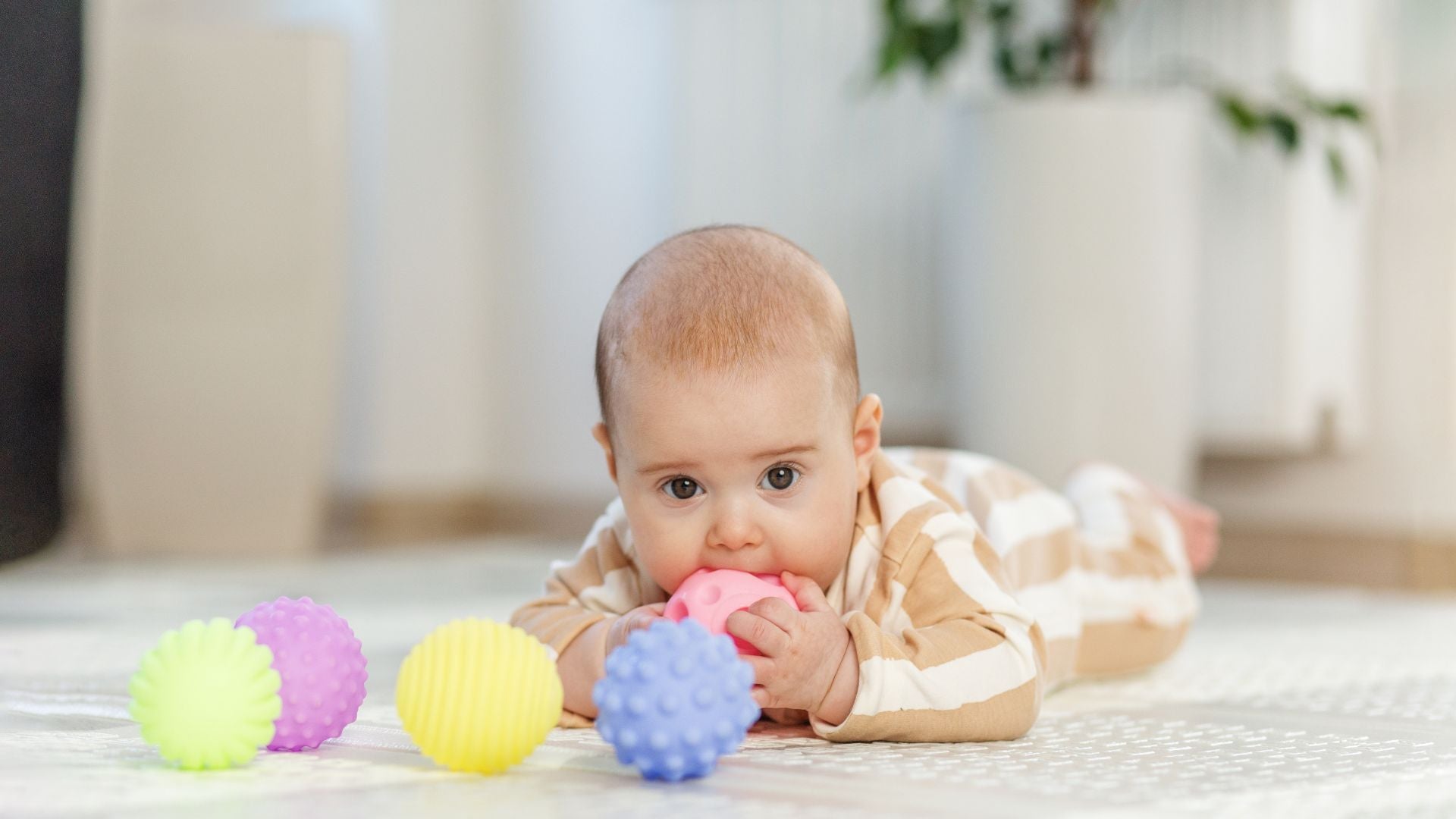
· Wie man mit der Beikost bei seinem Baby beginnt Was können Babys während der Beikost essen? Fingerfood für Babys Was können Babys während der Beikost essen? Angst vor Verschlucken. Nahrungsverweigerung. Kleckerei. Das Timing falsch treffen. Beikost-Angst ist eine der universellsten Erfahrungen in der Elternschaft – und das meiste, worüber sich Eltern am meisten Sorgen machen, ist entweder völlig normal, handhabbar oder viel unwahrscheinlicher, als es sich anfühlt. Gehen wir es durch. Was können Babys während der Beikost essen? Es gibt eine enorme Menge an Informationen da draußen, die Eltern versuchen zu verdauen, wenn sie mit ihrem Kleinen mit fester Nahrung beginnen.


Hinterlasse einen Kommentar
Diese Website ist durch hCaptcha geschützt und es gelten die allgemeinen Geschäftsbedingungen und Datenschutzbestimmungen von hCaptcha.